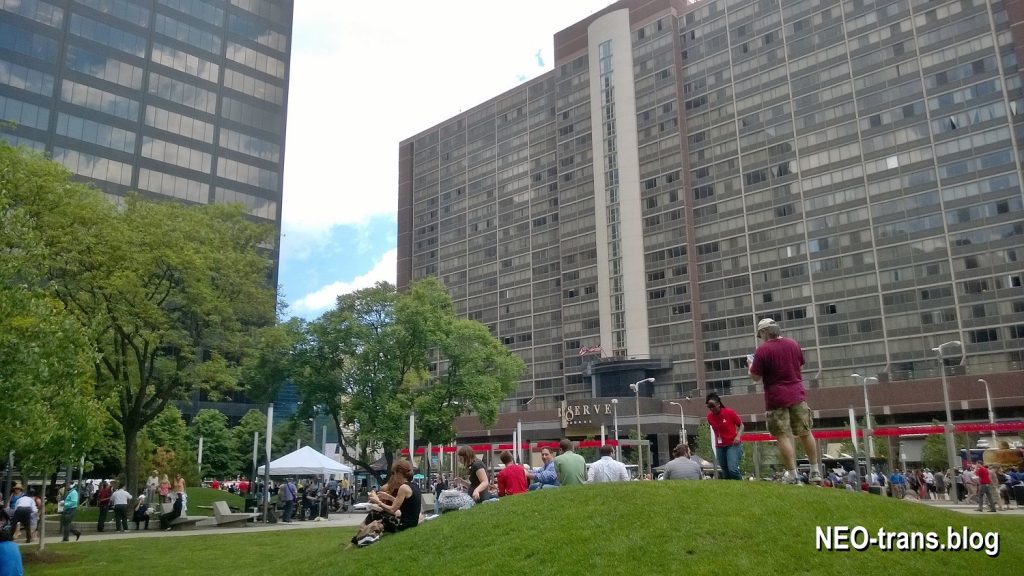
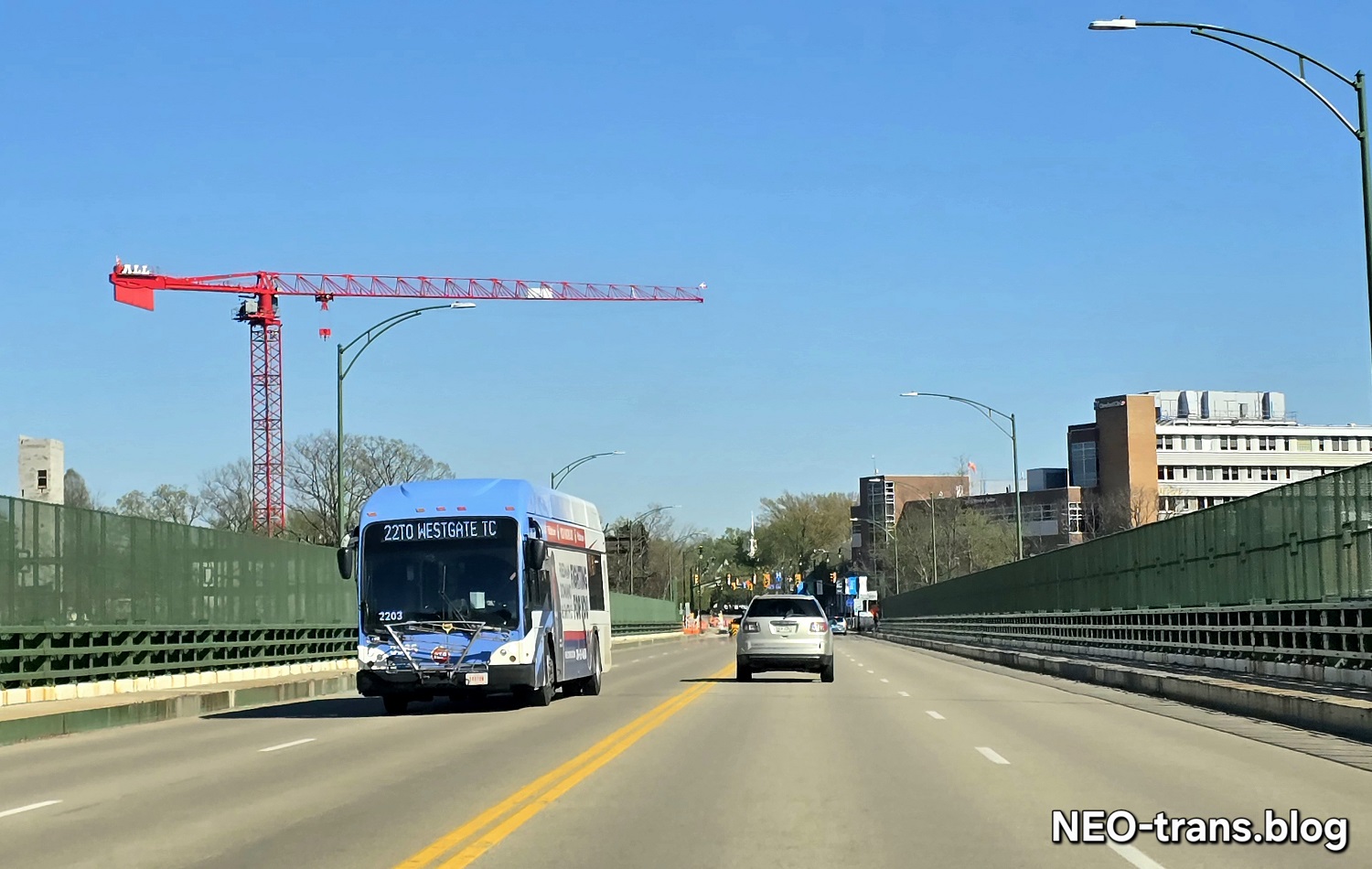
Transit oriented development isn’t limited to rail station areas. It can also be built along high-frequency bus lines like Cleveland Clinic’s North Campus expansion of Fairview Hospital where Cleveland meets Fairview Park (NEOtrans). CLICK IMAGES TO ENLARGE THEM.
Unified zoning offered to communities
Most municipalities in Cuyahoga County were built-out decades ago, limiting opportunities to offer newer, more competitive housing and build a stronger tax base without raising taxes. The few remaining places for development are infill sites for which many communities lack zoning to develop them.
So a coordinated effort is underway to modernize zoning standards, unlock development opportunities, and reduce barriers that currently exist across Cuyahoga County 59 villages and municipalities. That effort is the Cuyahoga County Unified Zoning Code (UZC).
Communities across Cuyahoga County have outdated zoning codes that are both expensive to update and often incompatible with current development needs, leading to costly delays and inconsistencies for residents, developers, and local governments. Many communities lack updated zoning maps or rely on outdated hard copy versions, further complicating redevelopment efforts.
To address these issues, the Unified Zoning Code initiative aims to:
- Establish a comprehensive zoning ordinance, held and maintained by the Cuyahoga County Planning Commission, yet adopted, administered, and enforced by communities that opt-in to the code;
- Create a centralized online zoning map for participating communities;
- Provide planning expertise and support while maintaining local control, administration, and authority; and
- Ensure zoning remains current through a multi-community maintenance consortium.
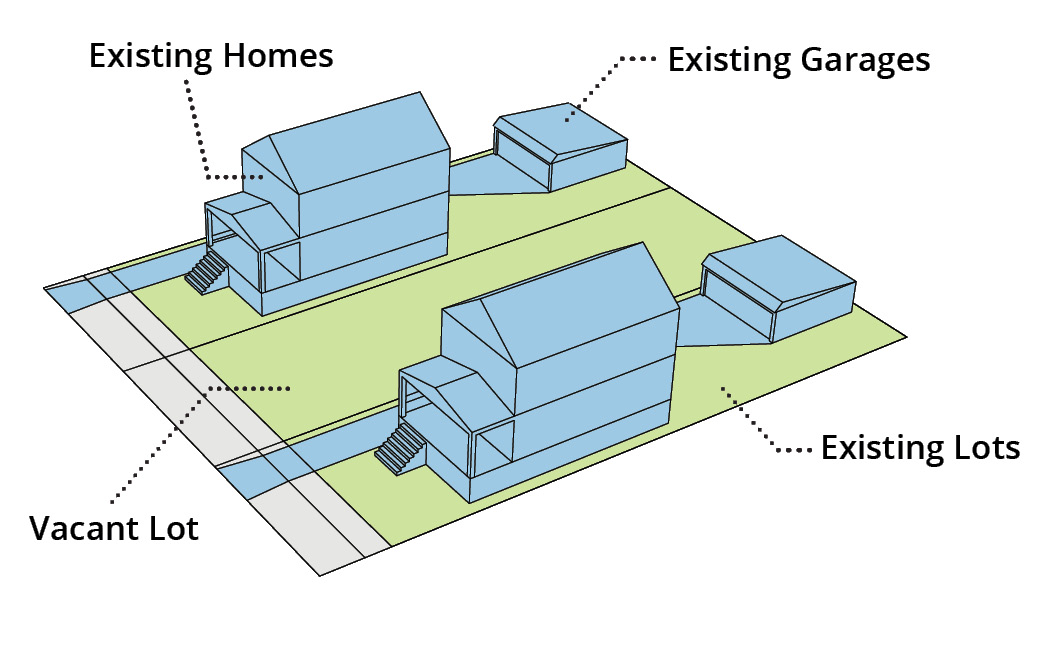
An infill development is like replacing a missing tooth. But many communities’ zoning requires larger lots for new construction than the vacant lot that exists for infill housing, thus necessitating the issuance of a zoning variance which complicates and, ultimately, discourages new construction (CCPC).
Information on the Cuyahoga County Unified Zoning Code is available on the Web site for the county planning commission.
Mary Cierebiej, executive director of the Cuyahoga County Planning Commission, said the county is mainly built out, and new approaches are needed to repopulate our communities and build upon existing infrastructure.
“The Unified Zoning Code initiative supports neighborhood reinvestment by giving communities a faster, more cost-effective path to updated zoning,” Cierebiej said.
“It provides local governments with modern regulations that streamline development processes while developing a coordinated approach with partnering communities,” she added.
Recent work by County Planning and partner communities has demonstrated the impact of removing zoning barriers. More than 25,000 parcels across several communities no longer require variances for development.
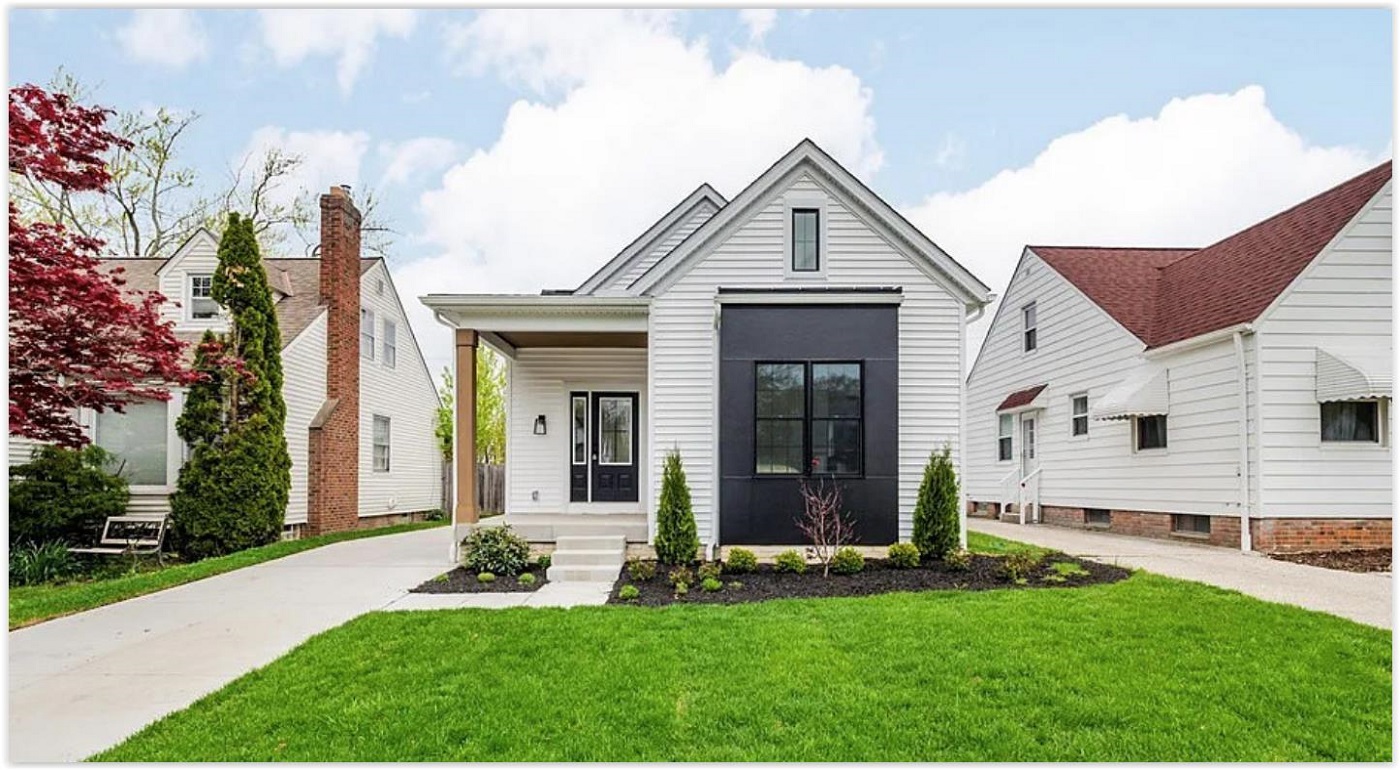
New-construction infill homes offer modern housing choices in districts where the housing stock is aging and needs a freshening up to compete with newer suburbs spreading the metro area’s existing population outside Cuyahoga County (CCPC).
The new zoning code has already helped one suburban municipality. South Euclid alone has seen over 56 new infill housing projects, with more than 100 new homes expected over two years.
“We are very grateful for the support of the County Planning Commission in creating our infill housing code, leading to our current construction boom,” said South Euclid Mayor Georgine Welo, a member of the Cuyahoga County Planning Commission Board.
“In addition, we partnered with County Planning to adopt our Mixed-Use Transit-Oriented Development Code,” she added. “Both of these code revisions were thoughtful and very involved processes, and we still have other planning and zoning code updates we need to undertake.”
“Developing a Unified Zoning Code all communities in the County could use would greatly benefit our community in ensuring we have the most up-to-date zoning code possible,” Welo said.
The opportunity to participate is available to all communities in Cuyahoga County, and participating communities will be named in the coming months.
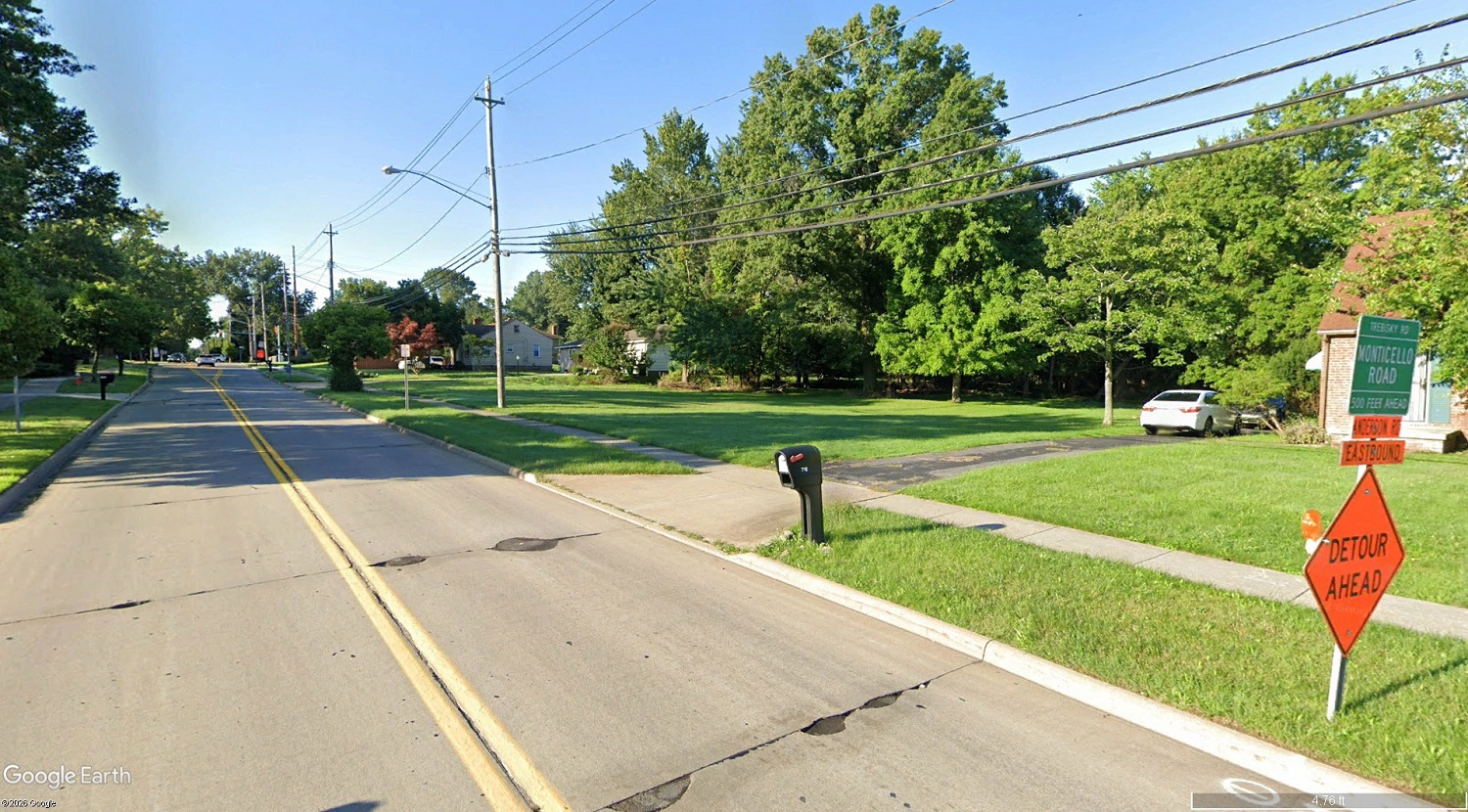
This scene along Trebisky Road, just north of Monticello Road in South Euclid, is considered by city and county officials to address the community’s aging tax base. It’s a 5-acre infill site that extends west of Trebisky and offers an opportunity to build the 32-unit, high-end Trebisky Grove housing development (Google).
County planning officials anticipate that working with a zoning consulting firm, legal advisors, and in-house staff to support the development and long-term maintenance of the UZC.
The UZC will be developed collaboratively by the participating communities, adopted by the Cuyahoga County Planning Commission Board, and communities will adopt and administer the joint code locally.
The Cuyahoga Land Bank and Akron Cleveland Association of Realtors are early funders in the Unified Zoning Code.
Additional funding for the project will be pursued through a combination of community contributions and regional, state, and national partners, including philanthropic organizations, economic development agencies, and housing-focused nonprofits.
“Outdated zoning codes are one of the most significant barriers to housing production, redevelopment, and economic growth across our region,” said Cuyahoga Land Bank President & CEO Ricardo Leon.
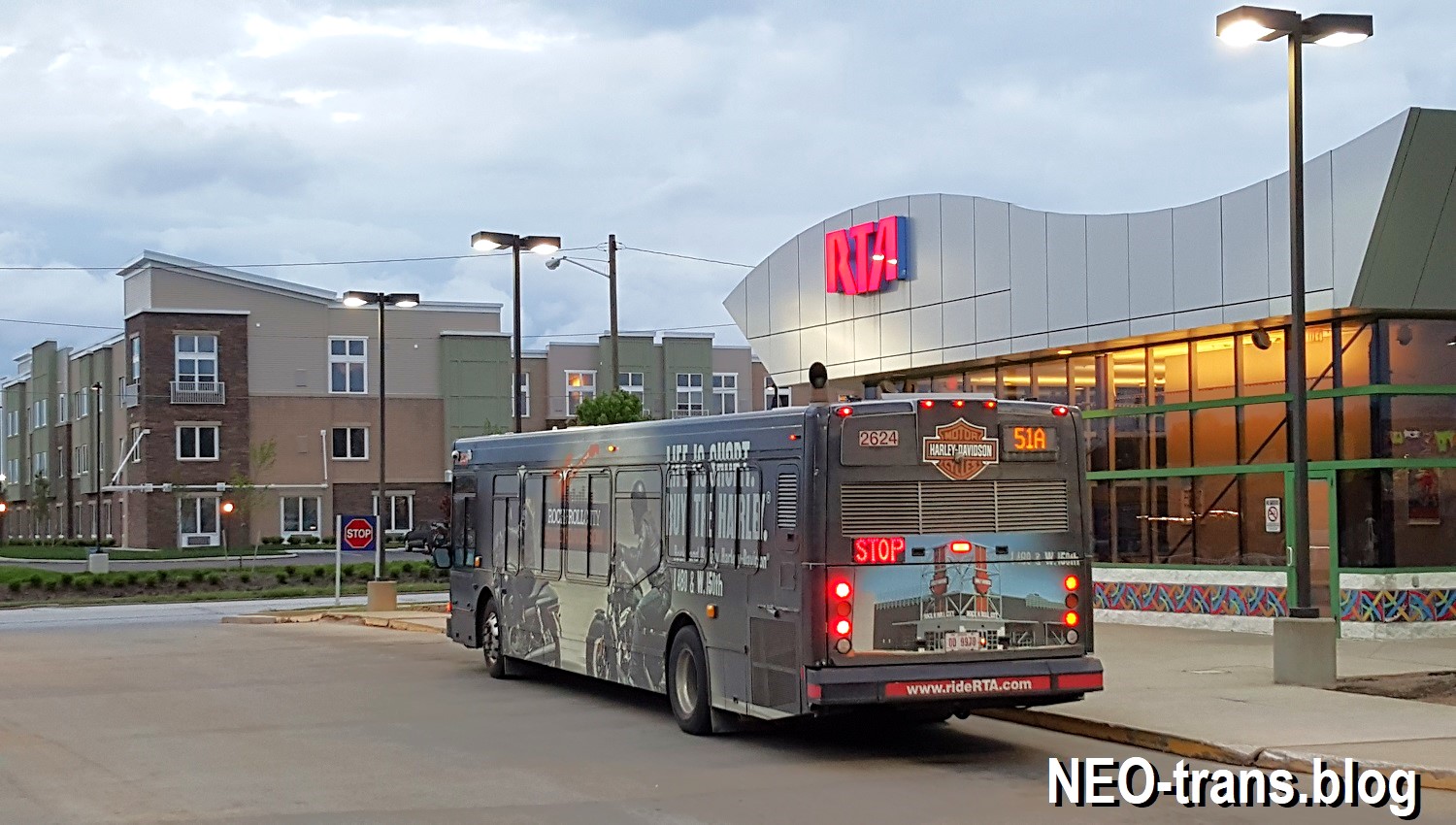
Infill development transit-oriented transit development are desired in many Cuyahoga County communities which lack the zoning to accommodate them. The Cuyahoga County Planning Commission is seeking to change that with a Unified Zoning Code that can be adopted to support private investment in existing communities. This is the Parma Transit Center next to the Vista Springs assisted living center (NEOtrans).
He said the land bank supported the effort because it will create more predictable and efficient development processes. That will help communities attract new housing, strengthen neighborhoods, and unlock opportunities for residents throughout Cuyahoga County.
“The Unified Zoning Code initiative represents a smart, collaborative approach that preserves local control while providing communities with modern tools to support investment and revitalization,” Leon said.
Mike Valerino, CEO of the Akron Cleveland Association of Realtors, said local decision-making is preserved by the model zoning code which communities can adopt or not, as they see fit.
“The Unified Zoning Code Project creates an important opportunity for participating communities to examine how zoning policies can support housing needs while preserving local decision-making,” Valerino said.
“We look forward to sharing our members’ firsthand market expertise throughout the stakeholder engagement process as communities explore strategies to improve housing attainability, affordability, and supply,” he added.
END