
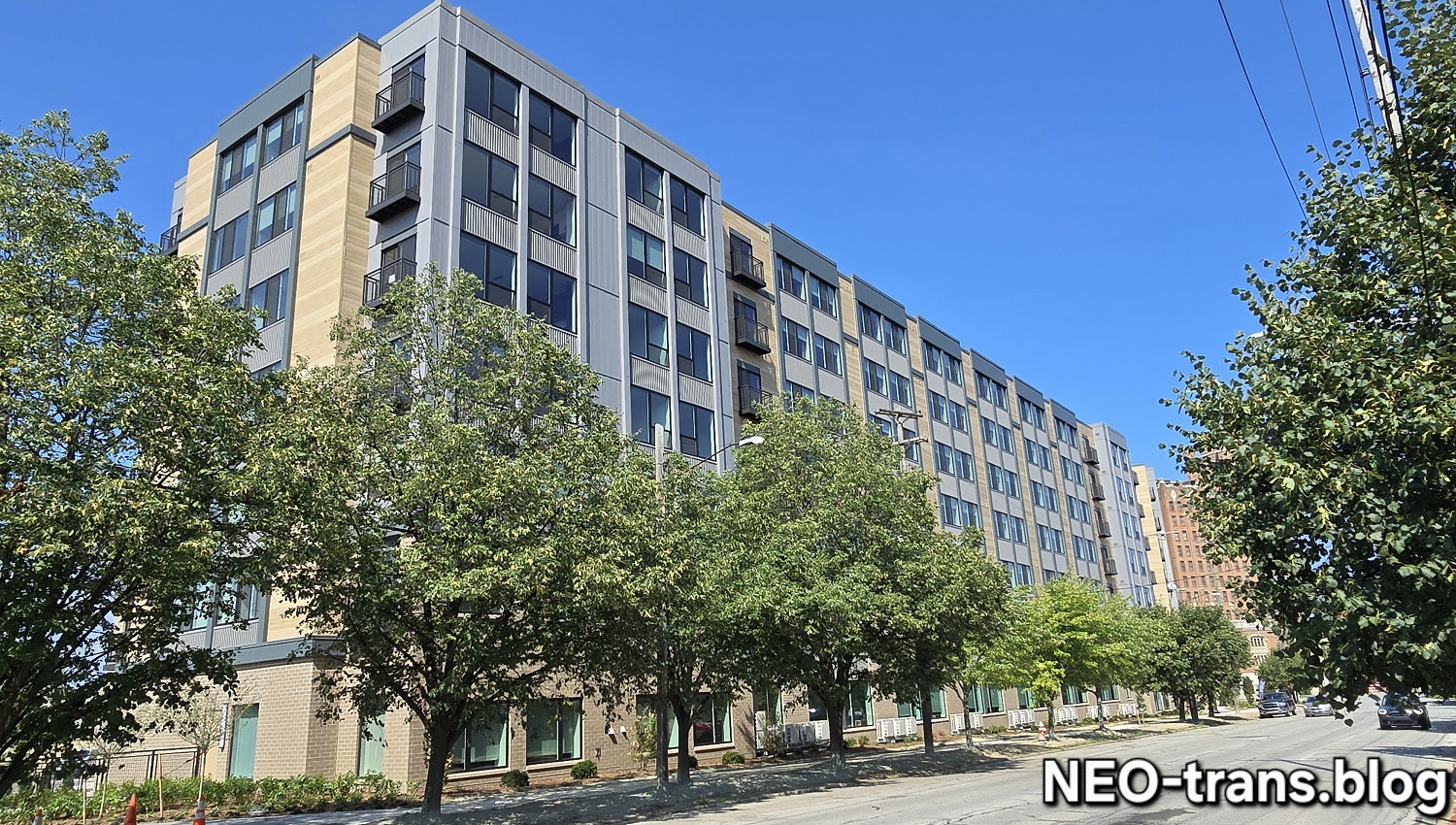
With rising construction costs, high interest rates and a lack of readily available building sites, it’s a challenging environment for developers who are seeking to provide affordable housing in Greater Cleveland. Skyline on Stokes in University Circle offers workforce housing in a fast-growing district where most new housing is near the top of the market rent-wise (NEOtrans). CLICK IMAGES TO ENLARGE THEM.
Despite issues, homeownership in Ohio rising
Homelessness and homeownership are both rising in Ohio, pointing to a mixed bag of housing market indicators that need to be either slowed or supported by state housing policies and programs.
Those are some of the major takeaways from the Ohio Housing Finance Agency’s (OHFA) Fiscal Year (FY) 2026 Ohio Housing Needs Assessment. Using a wide range of data, the assessment identifies the scope and scale of Ohio’s housing challenges, said officials at the housing agency.
Along with input from a variety of stakeholders, the Ohio Housing Needs Assessment helps OHFA develop its Annual Plan, which highlights the strategic and programmatic priorities on which the agency will focus over the next year.
The FY26 Ohio Housing Needs Assessment identifies a number of challenges, including:
- Rents are increasing faster than incomes causing Ohio renters to be severely cost-burdened and at risk of eviction and homelessness.
- There is still a shortage of affordable rental units for low-income Ohioans, and the gap between supply and demand is widening.
- As housing instability increases and affordable options remain scarce, more Ohioans are experiencing homelessness.
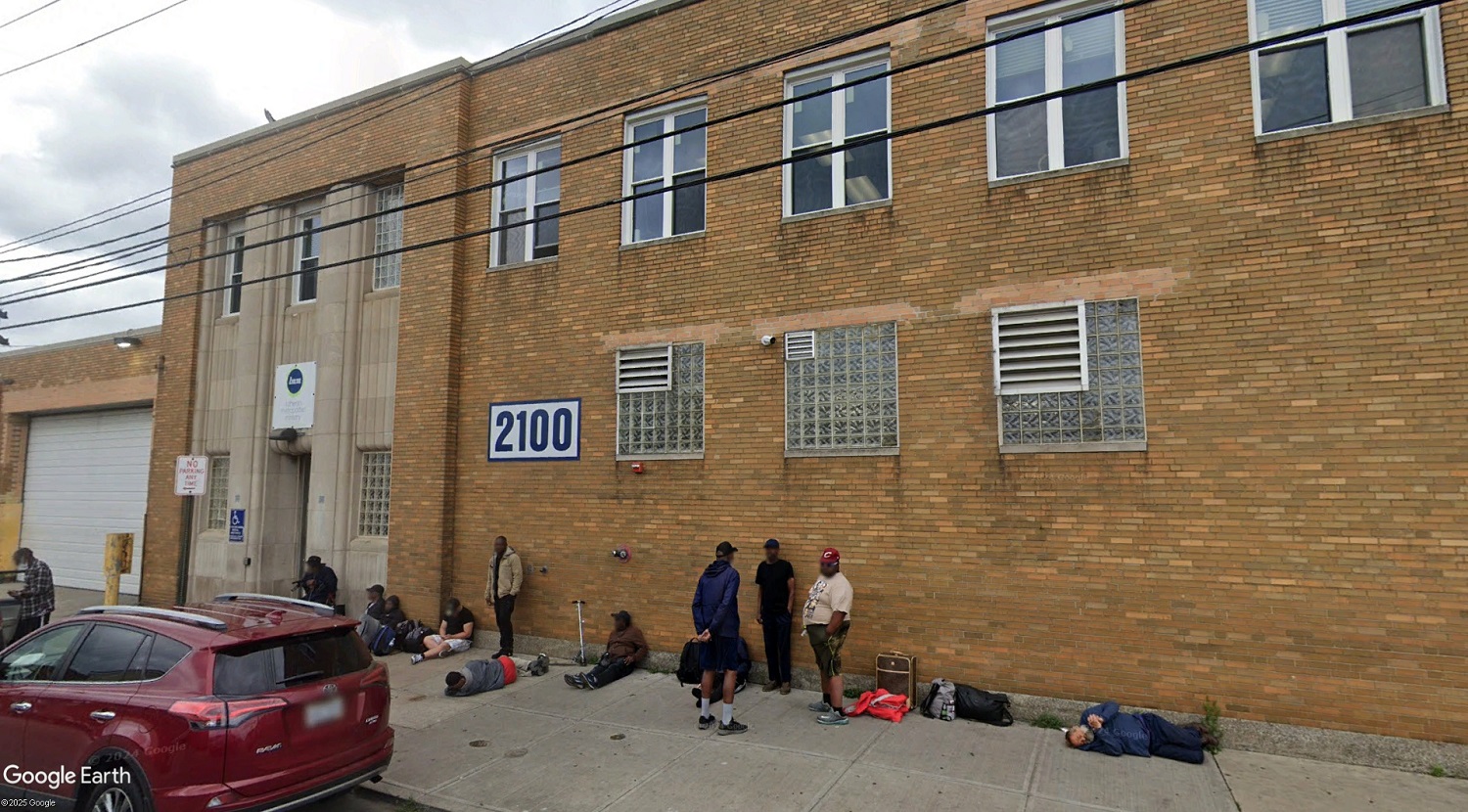
Increasing homelessness means that shelters like this one on Lakeside Avenue at the northeast edge of Downtown Cleveland aren’t the only places where the homeless can be found these days in Greater Cleveland (Google).
However, the FY26 Ohio Housing Needs Assessment also shows signs of progress:
- In spite of increasing home prices, higher interest rates, and declining home sales, rates of homeownership in Ohio are rising, which suggests that first-time homebuyers are making up a larger share of sales in the current housing market.
- The gap in homeownership between white and Black Ohioans has narrowed slightly, driven largely by an increase in the number of Black homeowners.
- A growing supply of vacant units for sale or rent indicates a potentially less competitive market in the near future. A less competitive housing market benefits potential homebuyers because the increased supply leads to lower home prices.
To address these housing challenges and build on Ohio’s progress, OHFA will continue to:
- Connect low- to moderate-income Ohioans with the resources and opportunities needed to achieve and maintain the dream of homeownership.
- Create and preserve safe, quality, accessible, and affordable rental housing that meets the needs of low-income Ohioans.
- Foster a more equitable housing landscape for all Ohioans by removing barriers to accessible and affordable housing and increasing outreach to underserved populations.
For more details, the complete FY26 Ohio Housing Needs Assessment is available on OHFA’s Web site at https://ohiohome.org/hna-25/executivesummary.html.
END