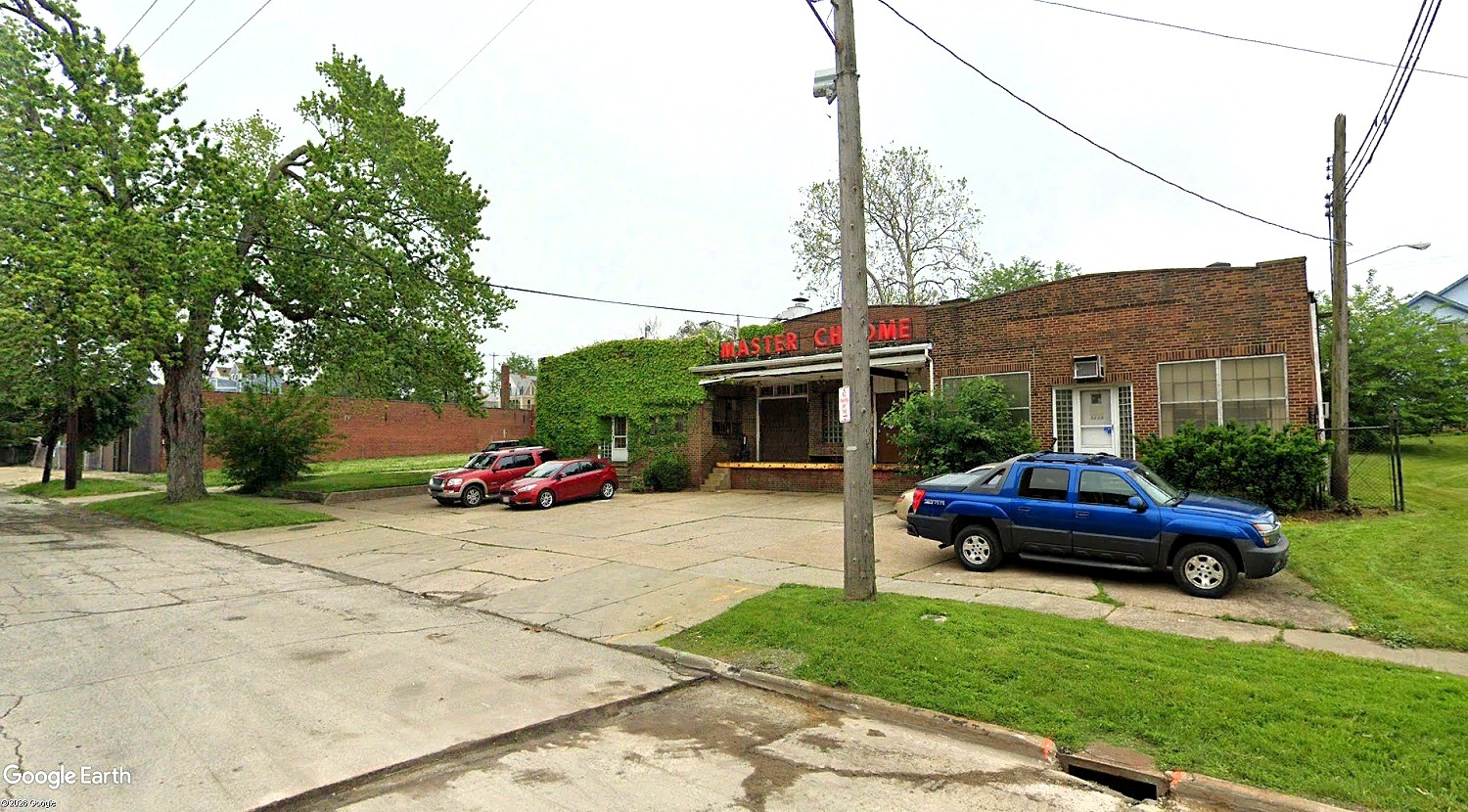
Master Chrome had only months of visible business activity left when this screenshot was captured in active in June 2019. It was allegedly adding to pollutants to the site that took a team of people at the state, county and city governments to demolish, clean up and continue to monitor (Google). CLICK IMAGES TO ENLARGE THEM.
Team effort cleans up Gordon Square site

Master Chrome was just a small industry on a small lot. Its structure didn’t even measure 10,000 square feet. The land on which it set was barely more than half an acre.
But Master Chrome has been a massive headache for a lot of people. And charting a new, productive future for the environmentally contaminated site at 5709 Herman Ave. in Cleveland’s Gordon Square neighborhood is not over yet.
Demolition and clean-up required a disproportionately massive effort by a large team that extended across multiple departments at Cleveland City Hall, to the Cuyahoga County Court of Common Pleas at the Justice Center, and reached to the state capital as well as to various contractors statewide.
“The old Master Chrome building is down,” declared Cleveland Law Director Mark Griffin in an widely distributed e-mail this week.
“It took years to get here,” he added. “It took the State. It took the City. It took lawyers, inspectors, firefighters, police officers, public health workers, demolition staff, environmental experts, and council leadership. It took money. It took patience. It took people who would not let the problem sit.”
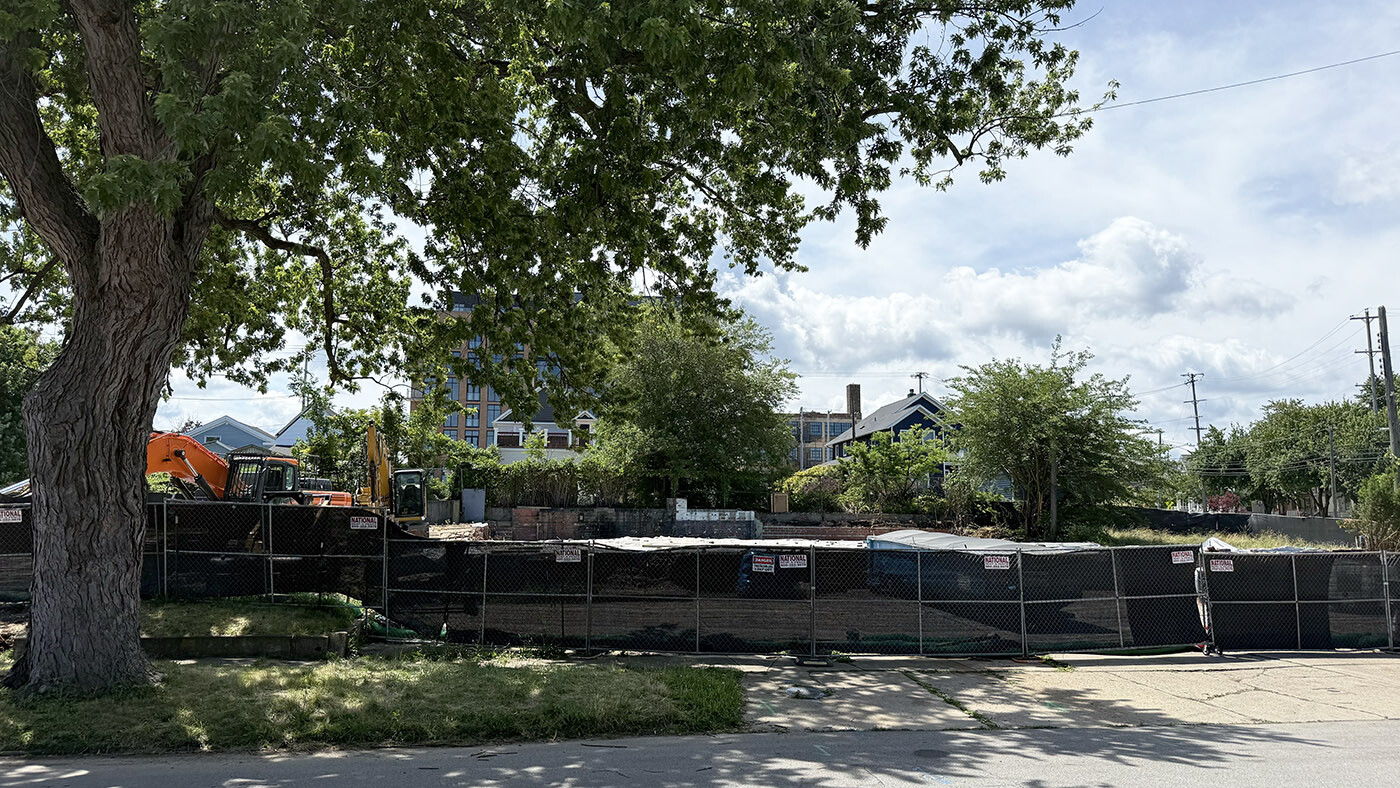
By the end of June, the Master Chrome structure was gone from the fenced-off site as seen from Herman Avenue (Paul J. Heney).
It took a lot of money — $5 million in state funds to clean up the tiny site and tear down the small building. That funding was awarded to the Ohio EPA in January by the State Controlling Board, said Ohio Rep. Tristan Rader (D-Lakewood) who called it “environmental justice.”
“It’s all good news,” Ward 7 Councilman Austin Davis told NEOtrans in March as fencing went up around the site. “This is real progress.”
He and his predecessor Jenny Spencer sought to keep the issue in front of city and state officials. Spencer said the site’s environmental pollution did not spread beyond the building but demolition could spread it if not handled carefully — hence the high cost of demolition.
“The site was physically constrained and surrounded by active neighborhood uses,” Griffin explained. “The Ohio EPA scope recognized the limited size of the site and required live loading of demolition wastes, traffic controls if needed, daily hazard inspections, dust control, stormwater controls, and safety protections for nearby residents.”
Because the site was so small but its problems were so large, its remediation could not move forward under a private development interest. That meant the economics of remediating the site did not work without public intervention.
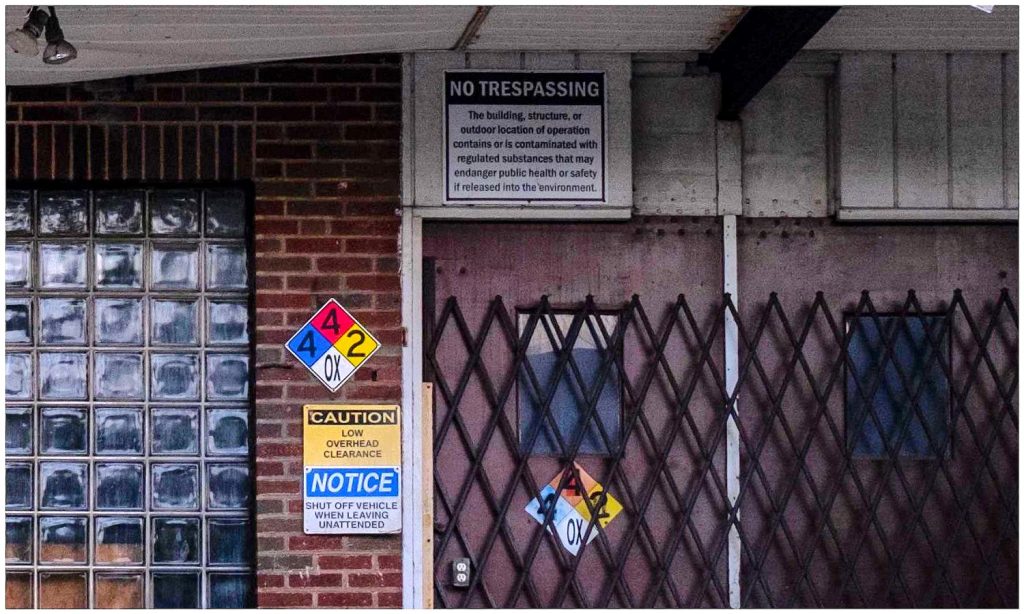
Until the structure was razed, the sign on the front of Master Chrome read “No trespassing. The building, structure, or outdoor location of operation contains or is contaminated with regulated substances that may endanger public health or safety if released into the environment” (OBVPhotography).
It took that level of intervention to address this shuttered, polluted industrial site in a city filled with them because for 75 years Master Chrome had utilized and stored on-site hazardous wastes.
That included some real nasty stuff. Among them was hexavalent chromium, a highly toxic, carcinogenic form of chromium used in the industrial process of electroplating and stainless steel welding.
There were also corrosion-resistant alloys, volatile organic compounds, plating residue, possible solvent waste, and old storage tanks and pits that weren’t marked or mapped, Griffin noted. The building itself likely had asbestos materials.
“This was not a building you could simply knock down,” Griffin wrote. “It had to be studied. It had to be secured. The waste had to be tested. The dust had to be controlled. Stormwater had to be protected. The pits had to be handled. The debris had to be taken away lawfully. The workers and the neighbors had to be kept safe.”
He credited many within Mayor Justin Bibb’s administration for their perseverance. That included Building Department Director Sally Martin O’Toole plus Caitlin Santana Cruz, Banena Brooks, Arry Lazaridis and the Demolition Bureau.
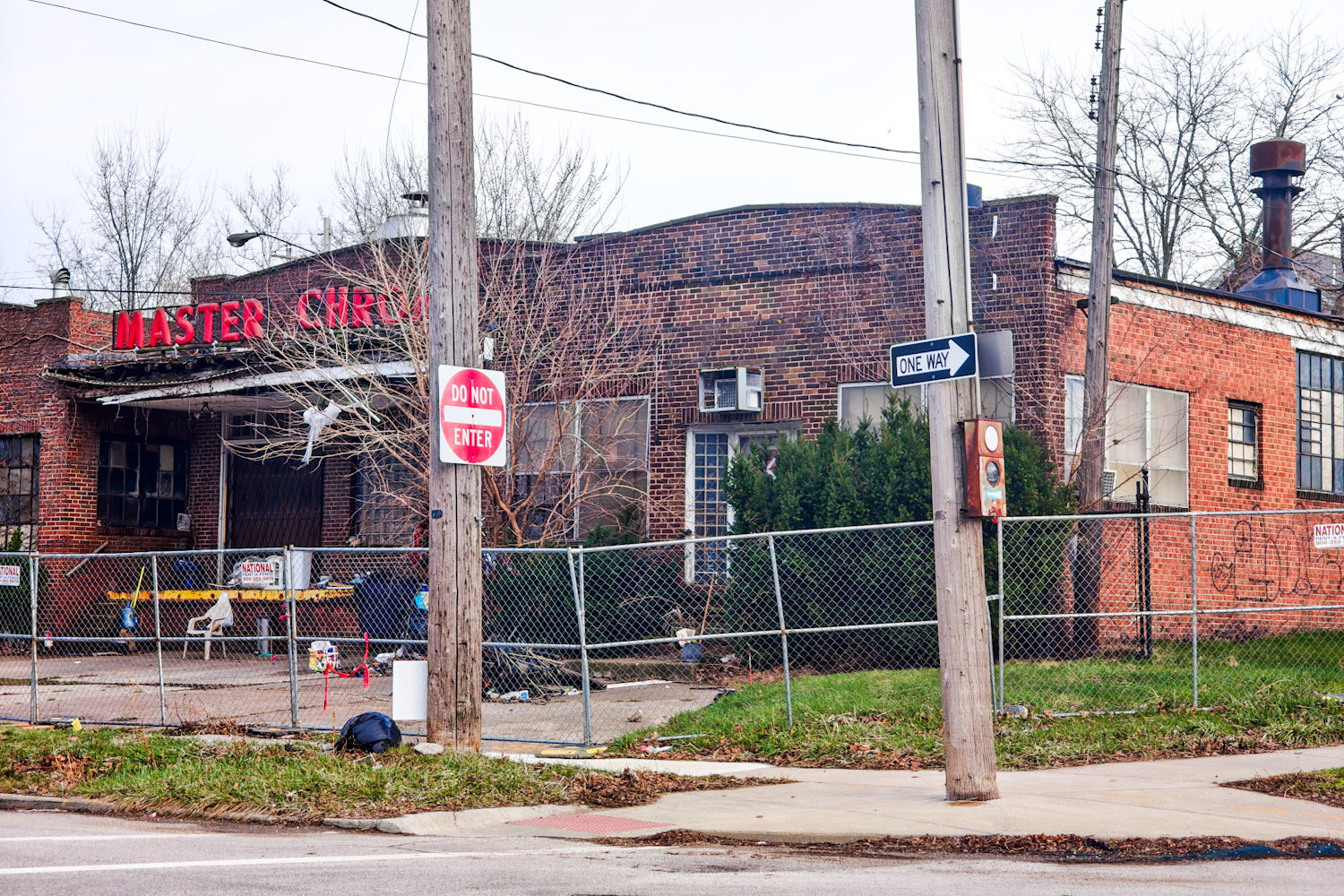
Fencing went up in March around the Master Chrome site as site testing and remediation work was getting under way (Harrison Whittaker).
Dan Jacobson and others in the Law Department addressed the many legal and ownership issues. Fire Marshal David Telban along with Police Commander Timothy Maffo-Judd, Sgt. Thomas Ross and Cleveland Department of Public Health Director David Margolius protected the site and neighbors, he said.
“This stuff is hard and complicated,” Griffin said. “That is why it took so much effort, so many separate leaders and so much time.”
While there is apparently no published date when Master Chrome formally shut down business operations and closed its doors, historical satellite views on Google Earth show cars parked at the site until October 2019.
But in May 2023, the final nail in the site’s coffin was delivered in a case brought by the Ohio EPA and Ohio Attorney General Dave Yost. Cuyahoga County Common Pleas Court Judge Kelly Ann Gallagher issued a default judgment against Master Chrome Development Co.
The company was ordered to close down operations in a manner that was approved by the Ohio EPA, establish liability insurance coverage, and pay a civil penalty of $550,000. Gallagher also ordered Master Chrome to halt storing, treating and/or disposing of any additional waste at the facility.
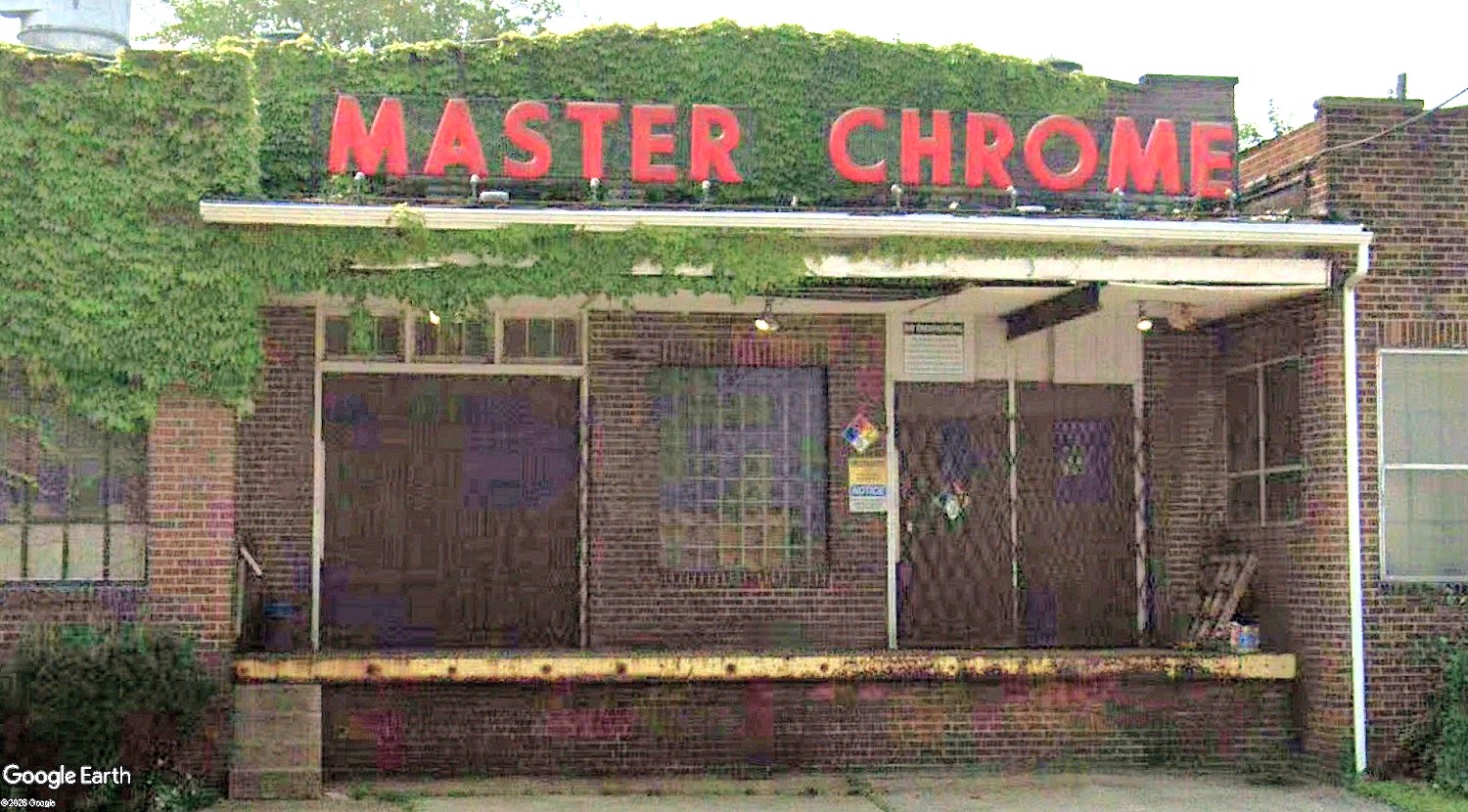
Master Chromes’ “no trespassing” sign was visible on the front of the building above its loading dock in this streetview from August 2024 (Google).
But there was no single site involved and Master Chrome had parceled out the site’s ownership under two corporate identities — Master Chrome Service Inc. and The Master Development Co., county records show.
“The property issues were unusually complicated,” Griffin said. “The ‘Master Chrome Site’ involved one address but three separate parcel numbers. One parcel had recently been acquired by a private party, while two parcels were tied to a defunct business and active foreclosure actions.”
He said that complicated site access, permitting, site control, and redevelopment planning. An adjacent parcel owned by a Master Chrome affiliate went into tax foreclosure and was sold at sheriff’s sale to a private investor in December 2025.
There is interest in redeveloping the site. Yves Development of Vermilion had a purchase agreement for the site to build townhomes but needed public funding to clean up the properties. Zoning for the Master Chrome properties allows either single- or two-family residential land uses.
“The building is gone now,” Griffin said. “The main pits have been sealed and filled. The materials have been handled and disposed of properly. The site is stabilized while the remaining soil contamination is assessed. There is more work to do. But this is a real victory.”
END