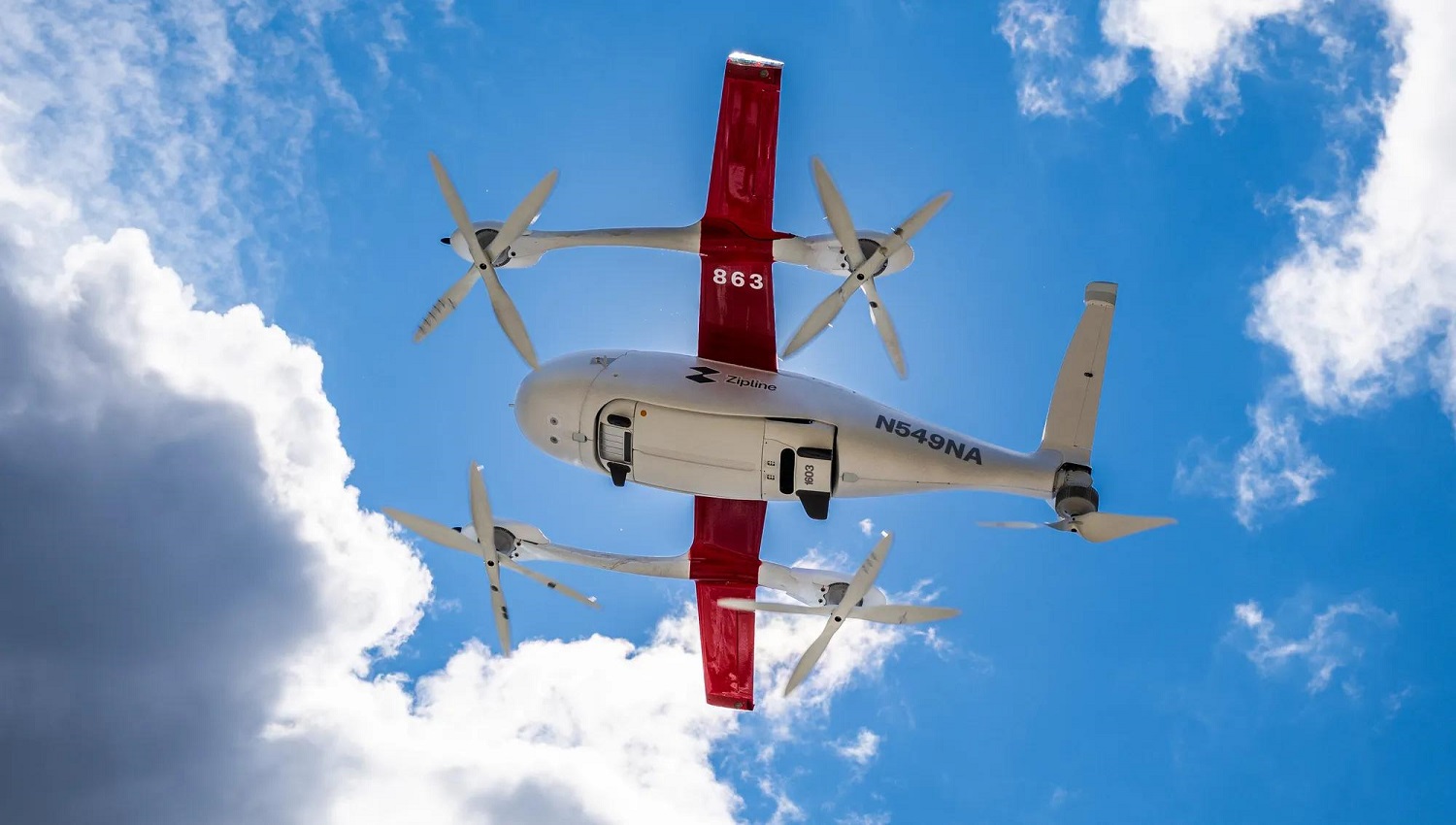
Cleveland Clinic is the nation’s first health care system to make deliveries of prescription medications via drone (Courtesy of Cleveland Clinic). CLICK IMAGES TO ENLARGE THEM.
First deliveries by US health system

Cleveland Clinic is now delivering certain medications to patients’ homes via drones, marking the start of the first long-term deployment of a prescription drug drone delivery program by a U.S. health system.
The first successful deliveries were made last week in and around Beachwood. The service is operated by drone delivery company Zipline. Controlled substances will not be transported via drones at this time.
The service is currently focused on deliveries that are within a five-mile radius of Cleveland Clinic’s Beachwood Administrative Campus, which serves as the drones’ home base.
Over time, Cleveland Clinic plans to expand to additional locations and include delivery of other medications, lab samples, medically tailored meals and supplies. The impacts of this new technology on real estate and transportation in Greater Cleveland remain to be seen.
This service will allow Cleveland Clinic to expand access to its pharmacy home delivery program and provide easier, quicker access to prescribed medications for our patients.
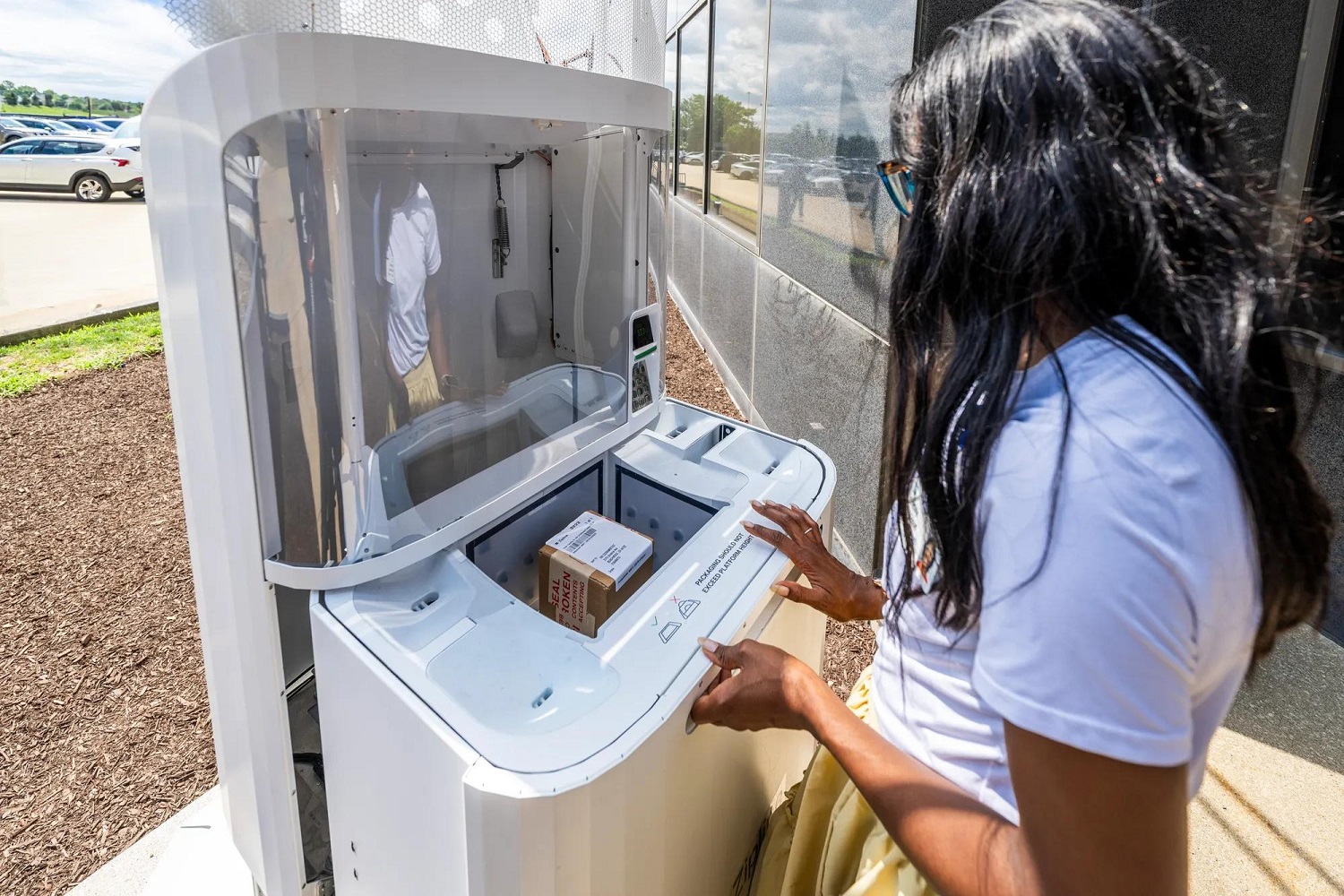
A Cleveland Clinic employee places a prescription order into a secure dropbox for later pickup by a drone (Courtesy of Cleveland Clinic).
Patients who currently utilize the home delivery program for certain medications are initially eligible for this service. Drone delivery is optional, and there is no extra cost for patients.
“Cleveland Clinic is committed to exploring innovative ways to improve access and make healthcare more responsive to the needs of our patients,” said Bill Peacock, executive vice president and chief of Operations at Cleveland Clinic, in a written statement.
“This drone delivery program is an example of how we can use technology to help patients receive important medications quickly, safely and efficiently,” he added.
For this initiative, Cleveland Clinic is working with the company Zipline, which delivers medical supplies, food and other goods via drone. Zipline’s technology is designed to provide precise deliveries, using minimal energy.
The drones use an innovative delivery method and do not land in patients’ yards. When a prescription is ready, a Cleveland Clinic pharmacy technician will place the package into a secure dropbox.
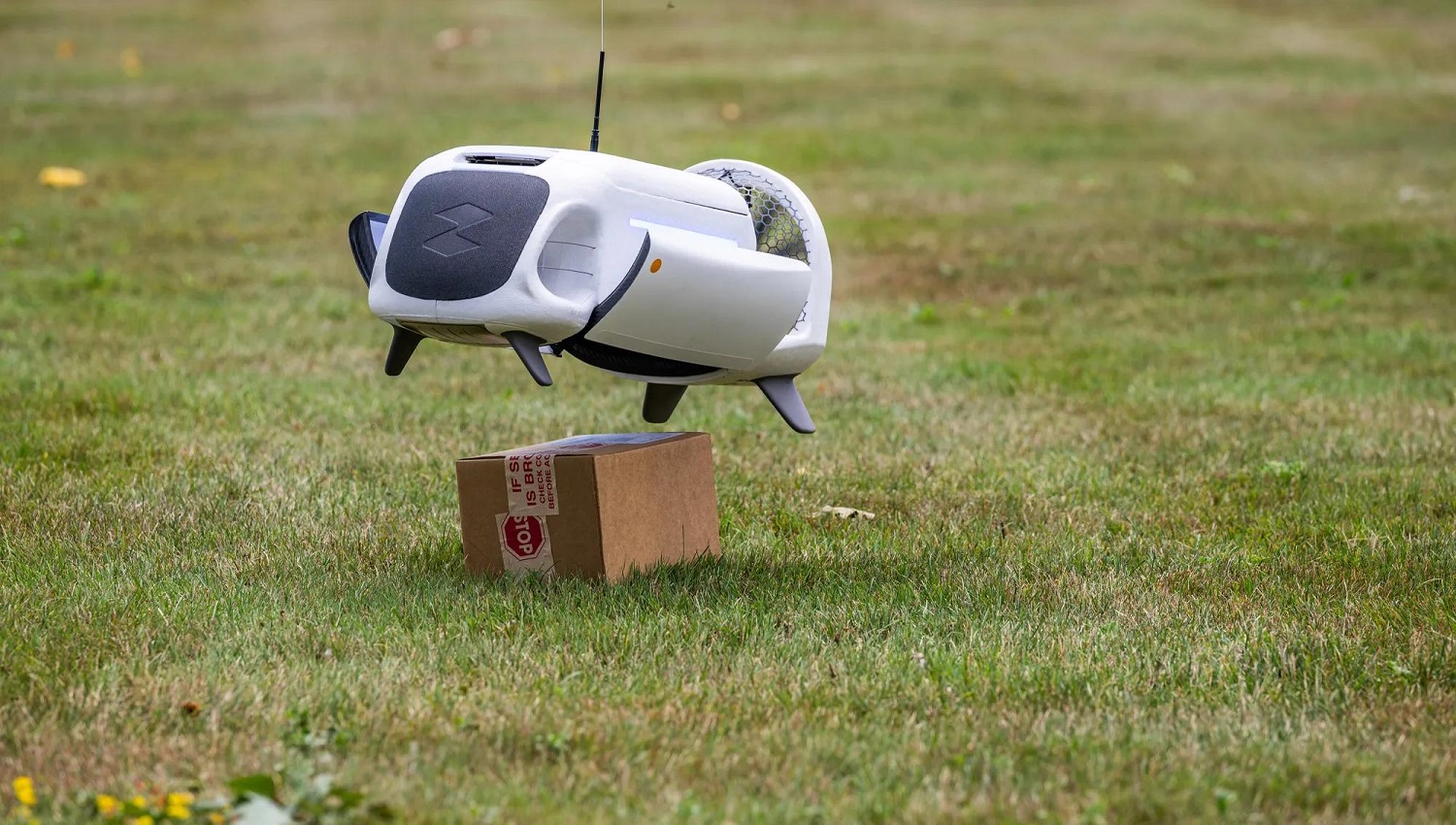
At the end of tether, 300 feet below the drone, a pod delivers the prescription package to its destination (Courtesy of Cleveland Clinic).
The electric drone then autonomously retrieves the order, and flies to its destination. Upon arrival, the drone stays up to 300 feet in the air while a pod containing the package descends to the ground on a tether.
The pod delivers the order and ascends back into the drone, which then flies back to its charging station. Patients can track their delivery through a link in their MyChart messaging portal.
Patients whose medications are eligible for drone delivery will be notified by Cleveland Clinic’s pharmacy team through their electronic patient portal account.
“Receiving medication quickly and conveniently can make a meaningful difference for patients,” said Lindsey Amerine, chief pharmacy officer at Cleveland Clinic.
“This program is another way in which we’re strengthening home delivery and extending the reach of our services beyond the walls of our facilities,” she continued.
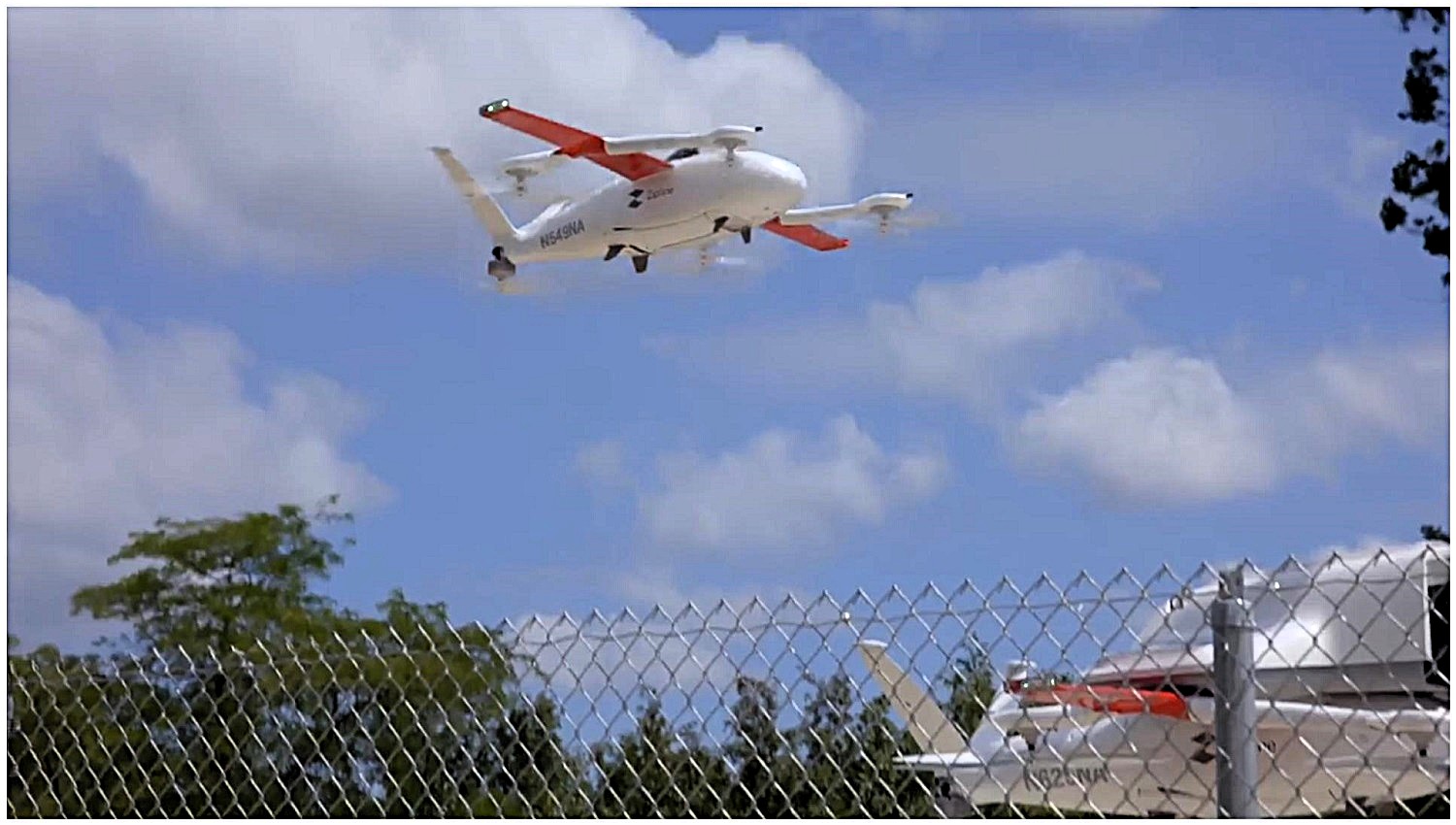
After the delivery, the drone returns the pod to the Cleveland Clinic and then the drone returns to its fenced-in base (Courtesy of Cleveland Clinic).
“This program between Cleveland Clinic and Zipline makes it easier for patients to access the medicine they need,” said Zipline’s President of U.S. Healthcare Hillary Brendzel.
“That’s one less errand to run, and more time back in people’s days,” she explained. “This launch is the latest milestone in Cleveland Clinic’s long history of using innovation to create a better patient experience.”
Zipline is the world’s largest autonomous delivery service and has delivered tens of millions of medical products globally since its first flights in 2016. Each drone performs more than 500 safety checks per second while in flight, Brendzel said.
In addition, Cleveland Clinic and Zipline officials said they have worked together to ensure compliance with all regulations and technical requirements for drone delivery.
END