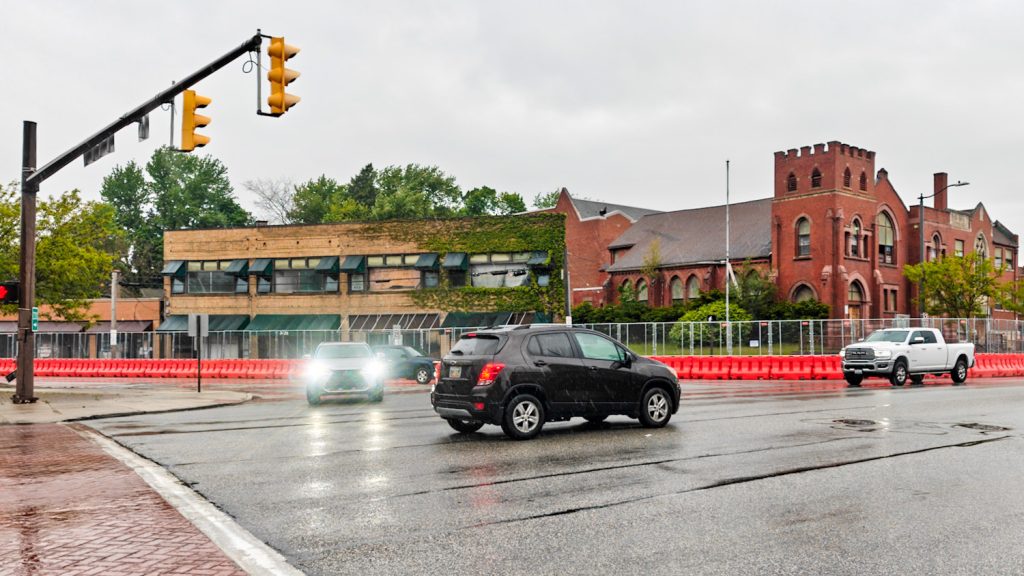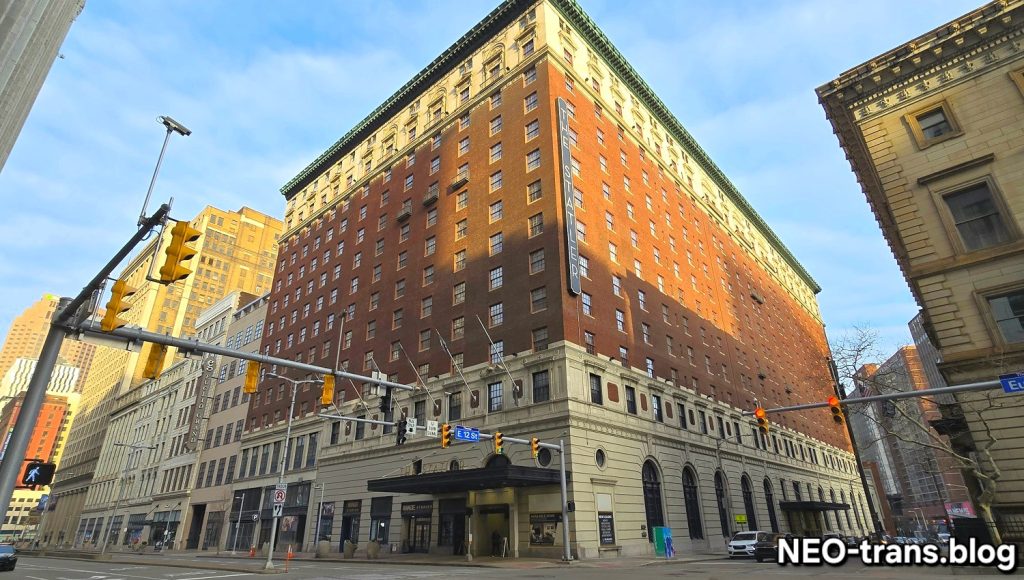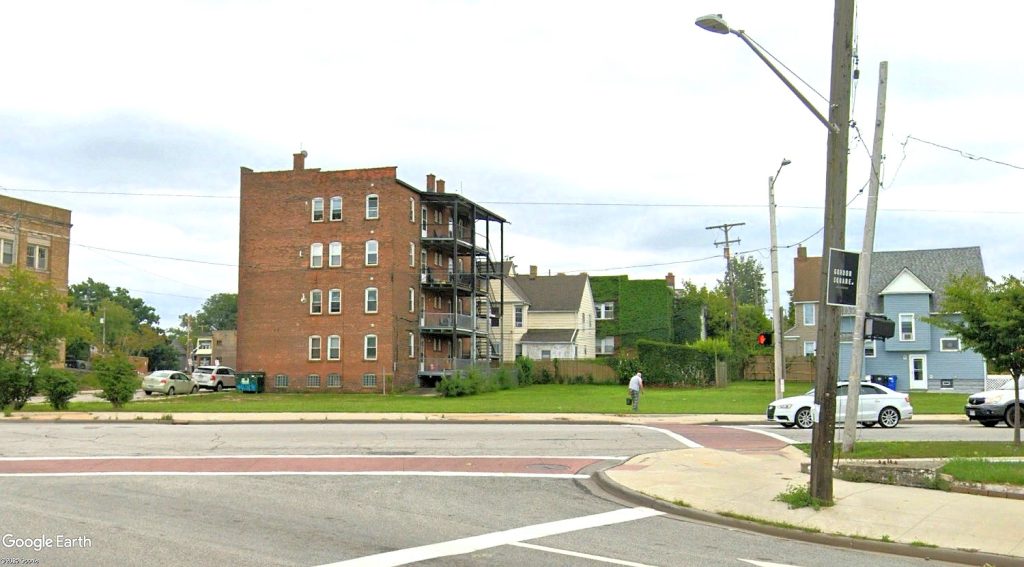
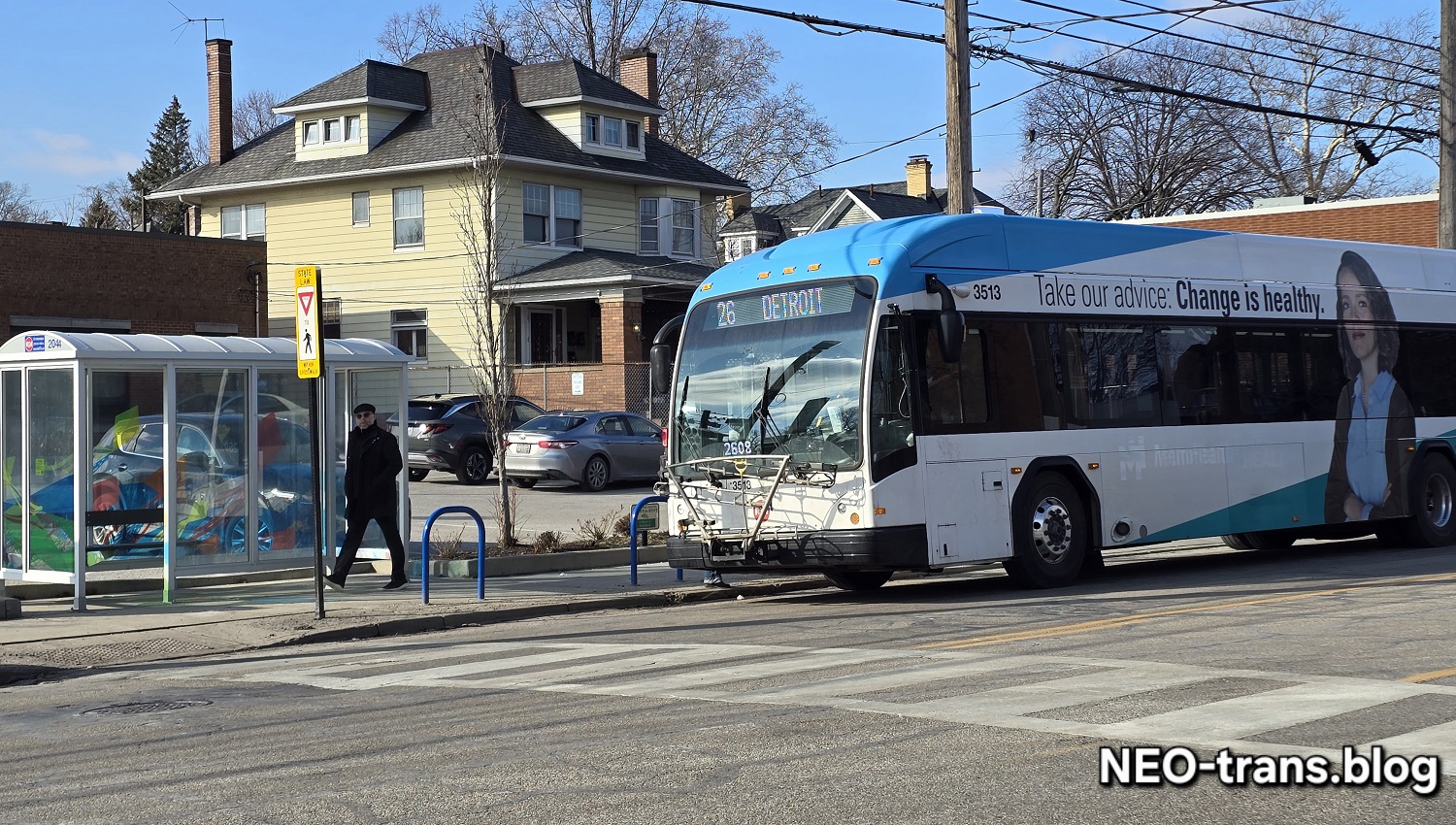
Some changes are healthy, but the proposed service reductions to Greater Cleveland Regional Transit Authority bus and rail routes may hurt some riders while forcing others to walk a little farther to another route (NEOtrans). CLICK IMAGES TO ENLARGE THEM.
Cuts due in August, less than first feared
Last fall, the Greater Cleveland Regional Transit Authority (GCRTA) warned that its worsening budget situation would mean some potentially significant service cuts starting this year. But at a GCRTA board meeting today, staff said they are making other budget cuts that would lessen those service reductions.
The countywide transit agency faces having to cut about $78 million from its $373.2 million operating budget for 2026 and in coming years to cover rising expenses, including a 24 percent increase in employee healthcare costs.
Among the cuts are a hiring freeze, eliminating 56 vacant positions, reducing travel and other expenses, plus tapping its operating reserves. And, at one point, GCRTA anticipated cutting 12 percent of bus and rail services to realize another $10 million in annual savings, said GCRTA Deputy General Manager of Finance Rajan Gautam.
But GCRTA made other changes, including ending customer Wi-Fi, eliminating a bus mechanic apprentice program, reducing diversions of operating funds to capital improvement accounts and instead issuing $35 million in debt serviced over a longer period of time to afford things like completing GCRTA’s order of 60 new railcars.
So the bus and rail service reductions are anticipated to be only a 3 percent cut, saving about $2.5 million per year, according to a presentation to the board given today. Fare increases were deemed counterproductive and thus not considered.
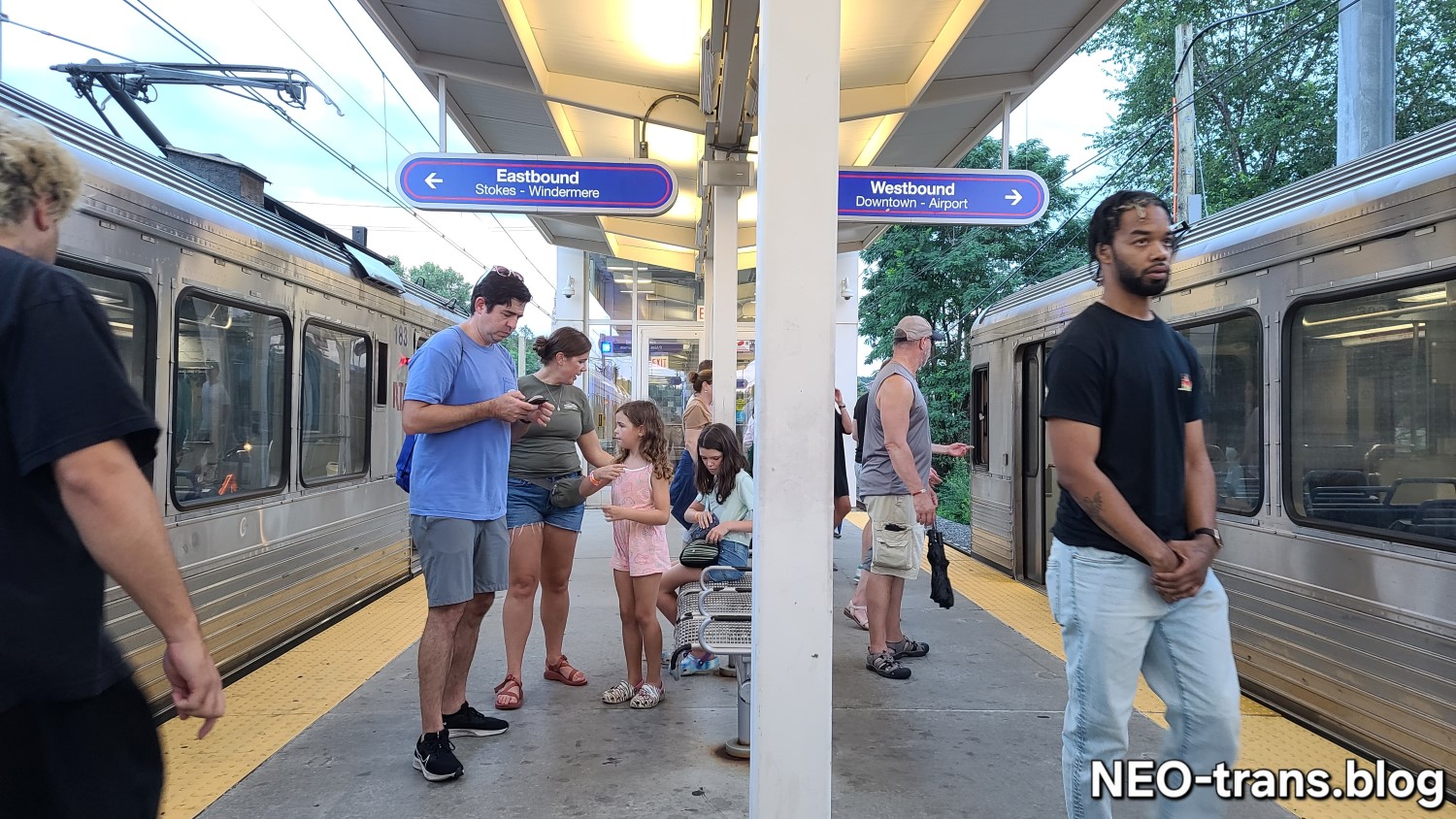
Ridership on the Cleveland rail system can be feast or famine — literally. During a recent Feast of the Assumption in Little Italy, riders crowded Red Line trains at the Little Italy-University Circle Station (NEOtrans).
The proposed service cuts due to take effect Aug. 16 are:
- Discontinue the B Line Downtown Trolley bus
- Discontinue No. 19B Broadway bus’ Fargo Ave. branch in Bedford Hts.
- Reduce weekdays No. 78 W.117-Puritas bus from every 15 minutes to 30
- Reduce weekdays No. 86 Rocky River Dr-Bagley bus from every 30 minutes to 60
- Reduce weekends No. 3 Superior bus from every 15 minutes to 30
- Reduce weekends No. 10 E.105-Lakeshore bus from every 15 minutes to 30
- Reroute south end of No. 77 bus to serve Richfield employers
- Waterfront Line light-rail will operate for special events only.
Public hearings on the proposed service reductions will be scheduled at different times of the day for April 13, 15 and 16 in the board room at GCRTA’s offices, 1240 W. 6th St., downtown. Public hearings will also be offered live online with written comments also accepted until April 27. Details aren’t yet set but will be posted online and in major media.
Joel Freilich, GCRTA’s director of service management, said the GCRTA board would need to make a decision on the proposed service cuts by May 7 so bus and rail operator assignments can be organized for the changes to take effect at a target date of Aug. 16.
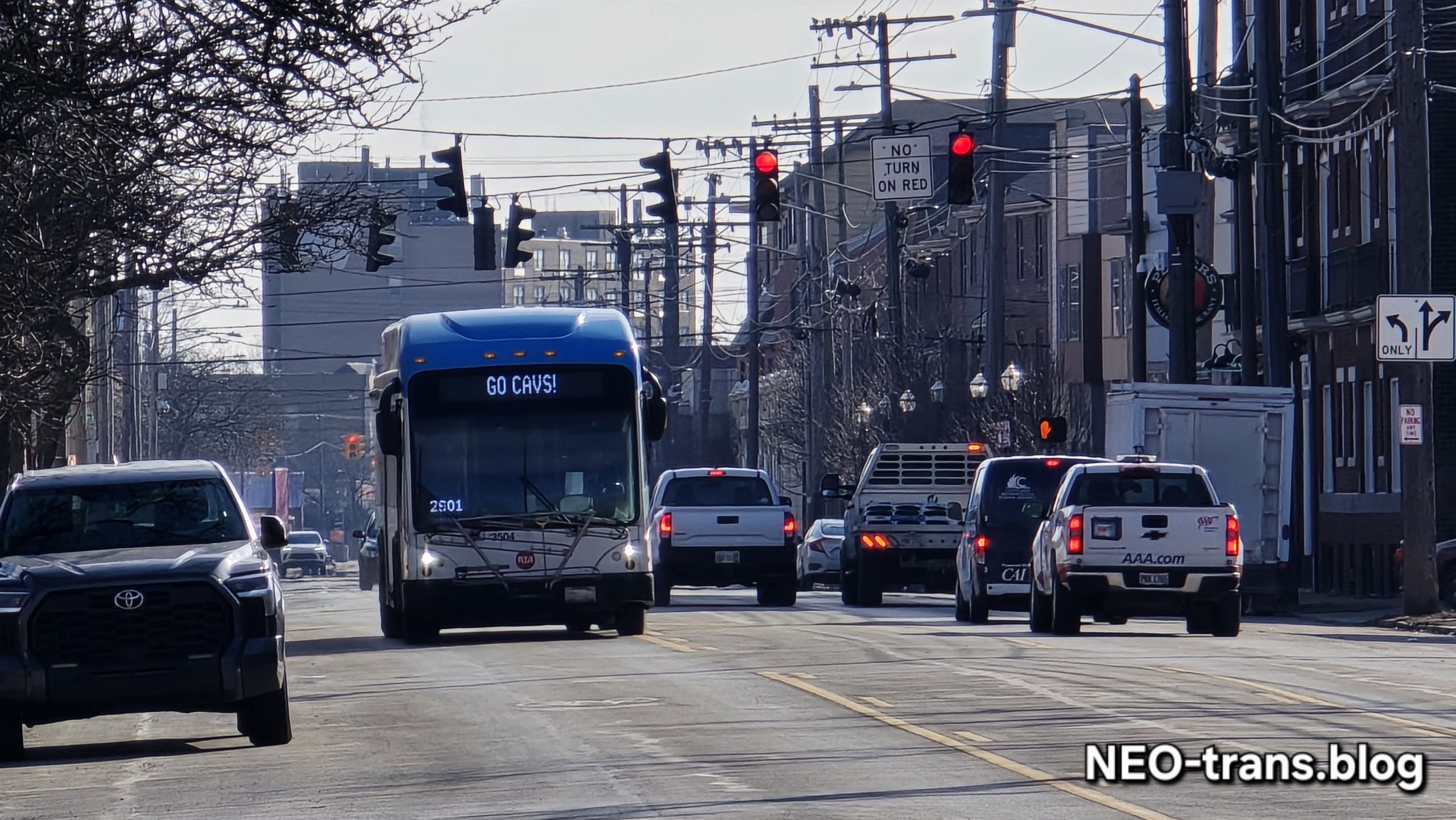
Most GCRTA bus and rail routes will not see any service reductions this year, but staff could not promise against future reductions depending on the agency’s budget, the economy, public policy changes and more (NEOtrans).
“Geography is extremely important in how we make decisions,” Freilich said. “It’s not just the (cost and ridership) numbers. It’s the question of — are there other alternatives nearby and how nearby are those alternatives? So it’s very geographically based.”
“We’re all very conscious about the impact of any of these actions on the community and our customers and our efforts have been to make sure that we minimize as much of that as possible,” Gautam said.
Board members wanted more detail on cost savings per proposed reduction, demographics of those affected, why some of the routes were originally created and whether there would be layoffs of bus and train operators.
Because the service reductions are so small, no existing bus and train operators would be laid off, Freilich said. Staffing would instead be reduced through attrition — not hiring replacements for the average of about 12 drivers per month who are retiring, getting promoted, quitting or getting fired.
Gautam said when GCRTA hires new bus and train drivers, it will be hiring fewer full-time operators and more part-time drivers, or at least much as the current labor contract will allow.
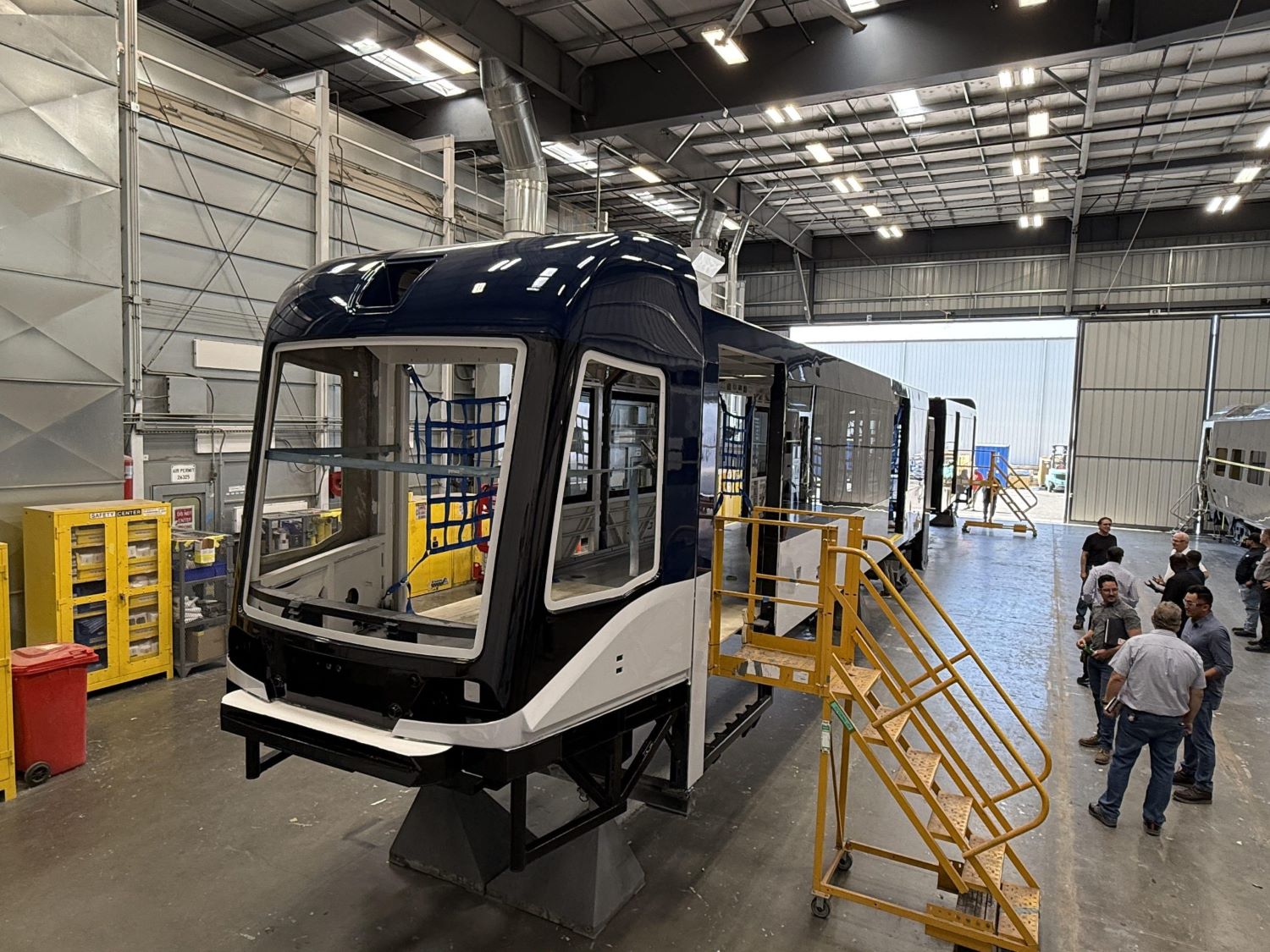
GCRTA’s first new railcars from the Siemens Mobility plant in Sacramento, CA are due to arrive in June but won’t enter regular service until next year, after enough cars are received, trains tested, crews trained and Red Line station platforms adjusted (GCRTA).
“Are the current austerity measures going to allow us to maintain a 3 percent reduction through 2028 or are we saying this is the initial service reduction we’re anticipating?” board member Stephen Love asked.
“I would love to make a promise that there would never be further reductions in the next year or two but no one has promised me that I’ll be able to keep that promise,” Freilich said. “This is the plan for August.”
GCRTA is also considering whether to ask Cuyahoga County voters to approve an increase in the countywide sales tax to generate additional revenue, Gautam said. The current 1 percent countywide sales tax funds 76.6 percent of GCRTA’s 2026 operating budget or about $265.6 million this year.
Other than the sales tax, there was no discussion today of other long-term revenue enhancement options such as Transit Oriented Development. Although it may be addressed in an emerging strategic plan. And it was tangentially discussed when it came to the light-rail Waterfront Line which carries an average of fewer than one rider per train.
The Waterfront Line, a weekends-only extension of the Blue and Green light-rail lines from Shaker Heights, is suspended due to construction on the Tower City Center station and retaining walls. After construction, it is proposed to remain discontinued except for special events.
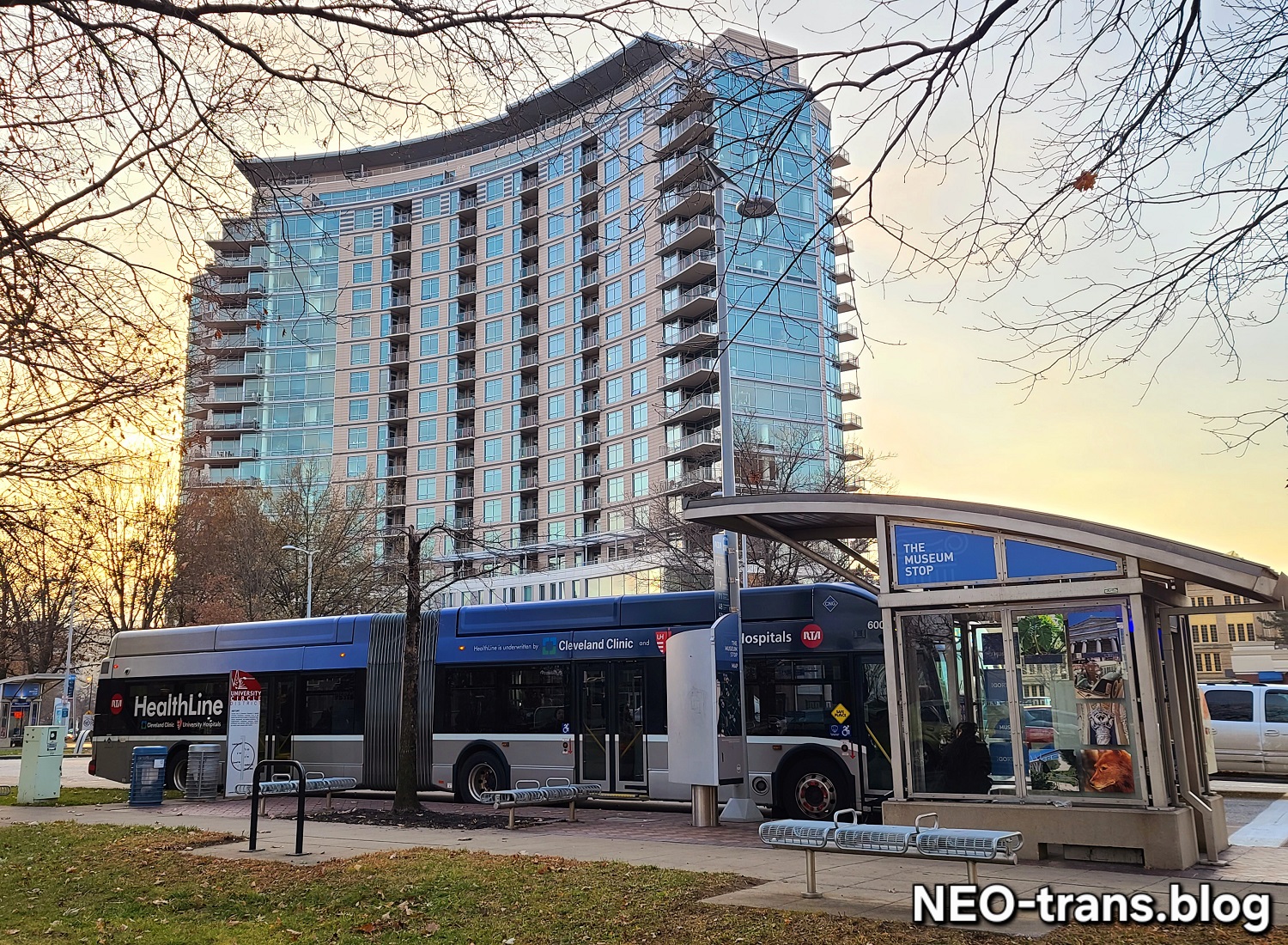
Boosting long-term revenue sources like Transit Oriented Development, seen here in University Circle along the HealthLine bus rapid transit, was not among the options considered for addressing an immediate budget crisis at GCRTA. But it may be part of an emerging strategic plan (NEOtrans).
But the transit agency staff also expressed its sensitivity to lakefront redevelopment efforts by city officials. Those officials said they want the Waterfront Line to operate regularly to support access and redevelopment efforts that could boost ridership.
“It doesn’t mean the Waterfront Line won’t ever run,” Freilich said. “Waterfront Line is a tool — a development tool. I think Cleveland leaders have long believed that eventually the lakefront would be developed. Now that seems to be more realistic all the time. There’s a concrete proposal out there that’s being reviewed.”
In December, Mayor Justin Bibb and the North Coast Waterfront Development Corporation announced the selection of DiGeronimo Development as the master development partner for the transformation of 50 acres of city-owned lakefront land, including the current site of Huntington Bank Field.
“The Waterfront Line makes that more likely to occur and the Waterfront Line will be there to serve it when it happens,” he continued. “But there’s no need for us to spend money every day right now while that area is still largely not occupied and ridership is very low.”
END