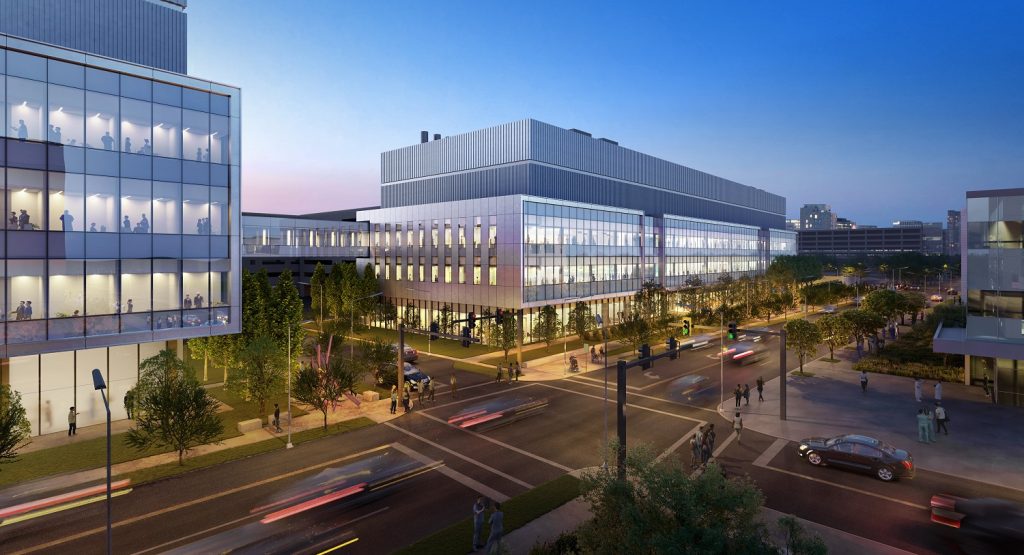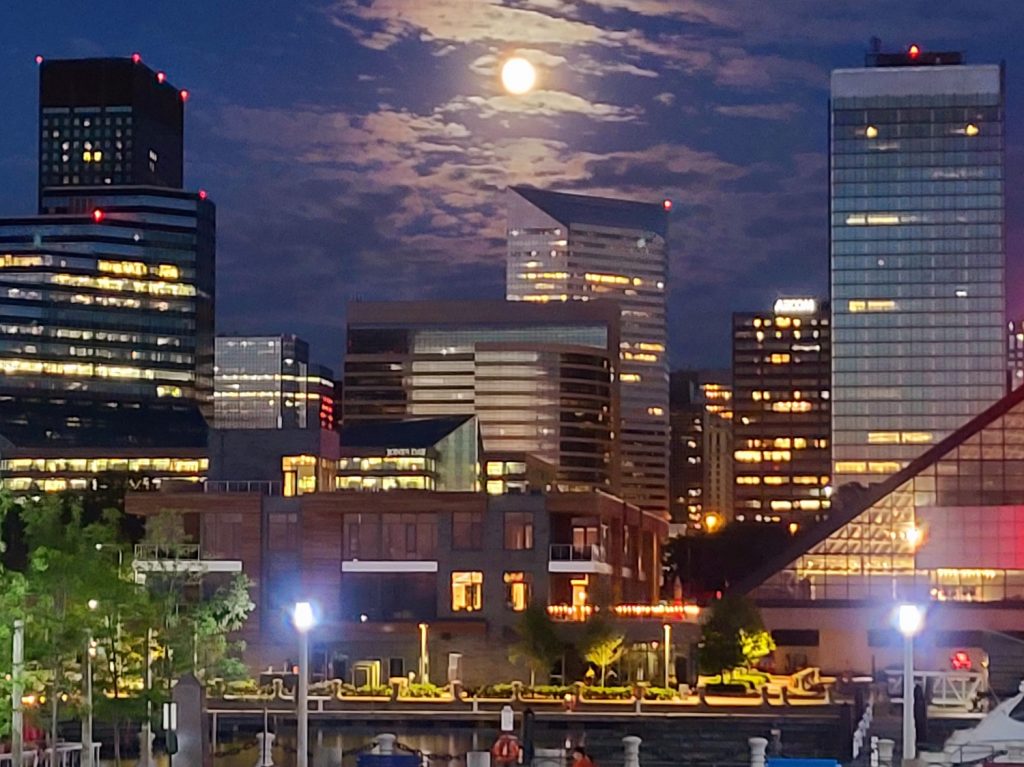
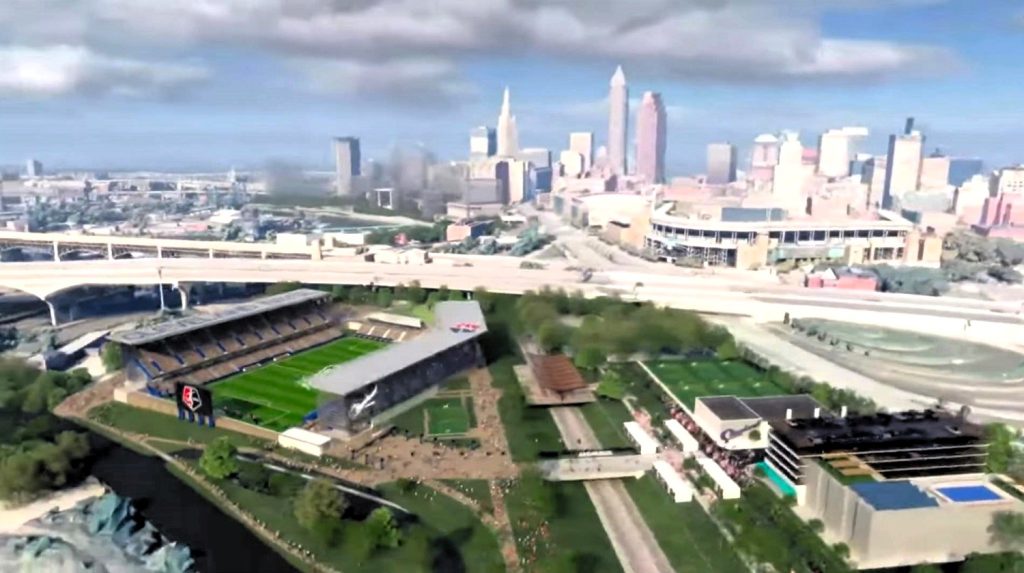
With the Gateway South soccer stadium planned on the west side of the rapid transit tracks and a future station, the former Cleveland Black Oxide site is at lower left and proposed to be redeveloped with mixed uses (CSG). CLICK IMAGES TO ENLARGE THEM.
Soccer stadium, Midline sites get $12.7M
Two major redevelopment projects in Cleveland got a big boost today when the Cuyahoga Land Bank was awarded $12,688,505 in Brownfield Remediation Program Grants from the Ohio Department of Development (ODOD). One project is downtown’s planned South Gateway soccer stadium and the other is the east-side’s Midline Business District.
This funding will support environmental cleanup and site preparation at the Cleveland Black Oxide Site, a key component of the Cleveland Soccer Group’s (CSG) proposed stadium district, and a large swath of Midline land, an industrial and greenway redevelopment initiative.
“These grants are the result of a longstanding and highly effective partnership between the Ohio Department of Development, the Cuyahoga Land Bank, and our local partners,” said Ricardo León, president & CEO of the Cuyahoga Land Bank, in a written statement. “Together, we’re laying the groundwork for stronger neighborhoods and long-term economic growth.”
Since 2023, Cuyahoga Land Bank received 45 State Brownfield Remediation Grants totaling $142,751,194. These grants help transform challenging brownfield sites into community assets that support jobs, recreation, transportation and neighborhood growth.
“Cleaning up contaminated sites is expensive work, and public investment is necessary,” added Adam Stalder, director of community stabilization at Cuyahoga Land Bank. “But for ODOD’s Brownfield Remediation Program Grants, many sites would remain unsuitable for redevelopment.”
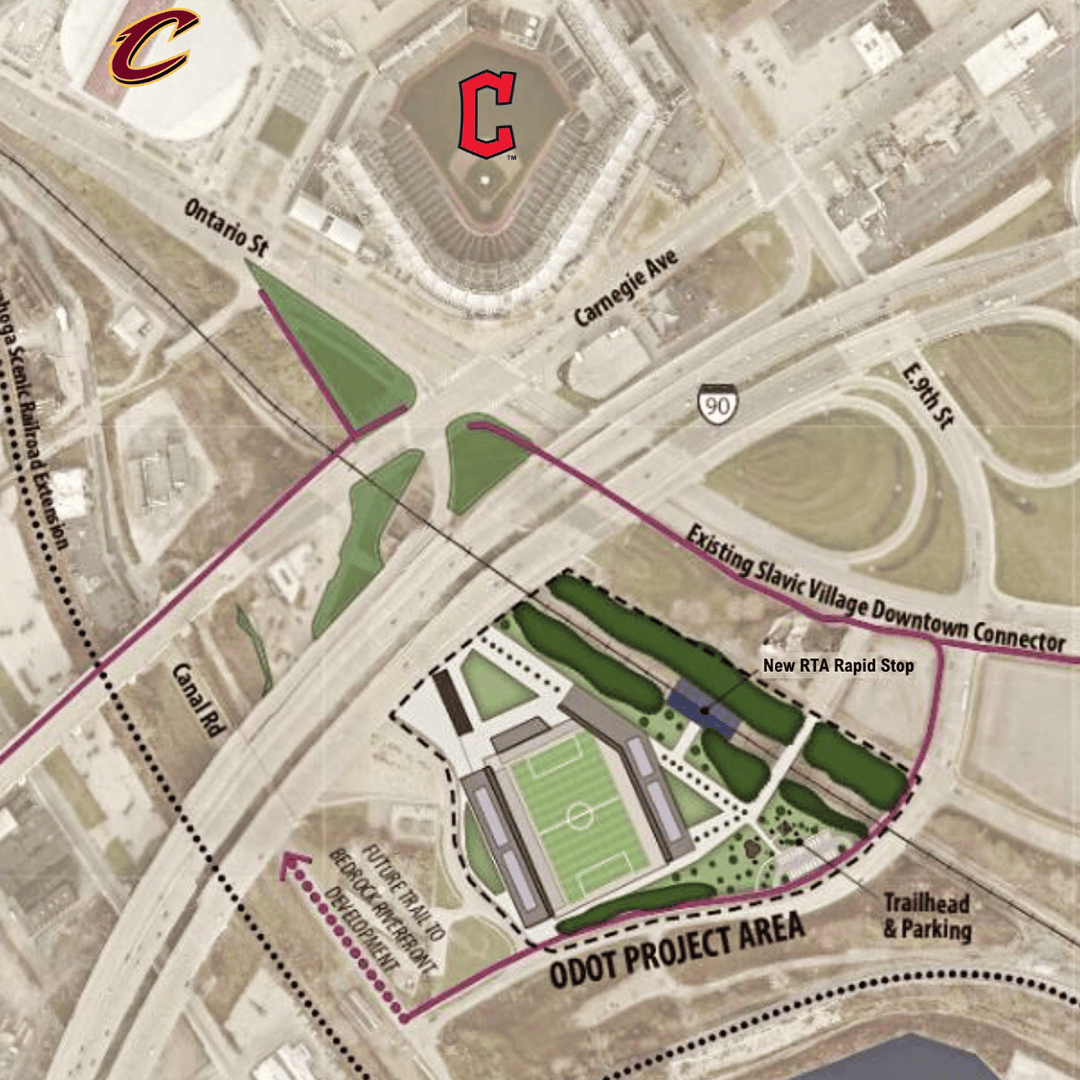
The Gateway South stadium site is shown here. The location of the Cleveland Black Oxide land and buildings are under the text “New RTA Rapid stop” (Cleveland Metroparks).
The Cleveland Black Oxide site, 836 Broadway Ave., received $3,790,135 in funding to demolish a vacant industrial building and remove contaminated soil affected by lead and chromium. Through an affiliate, the land bank acquired this property in June for $1.25 million.
Cleanup efforts will transform the long-vacant brownfield into a development-ready property that supports the larger stadium district envisioned along the Cuyahoga River. This work will be spearheaded by Cuyahoga Land Bank in partnership with CSG.
The 14-acre stadium district on East 9th Extension includes a proposed $80 million, 10,000-seat professional soccer stadium, new public green spaces, expanded trail connections, and bicycle and pedestrian infrastructure.
Future uses under consideration include an urban grove, educational and experiential gathering spaces, play areas, mixed-use development, and a potential future Greater Cleveland Regional Transit Authority rapid transit station, generating long-term economic benefits including hundreds of new jobs.
“This parcel is where it all connects,” said Michael Murphy, CEO of the soccer group which is launching Forest City Cleveland and Cleveland Astra, Cleveland’s men’s and women’s professional soccer clubs.
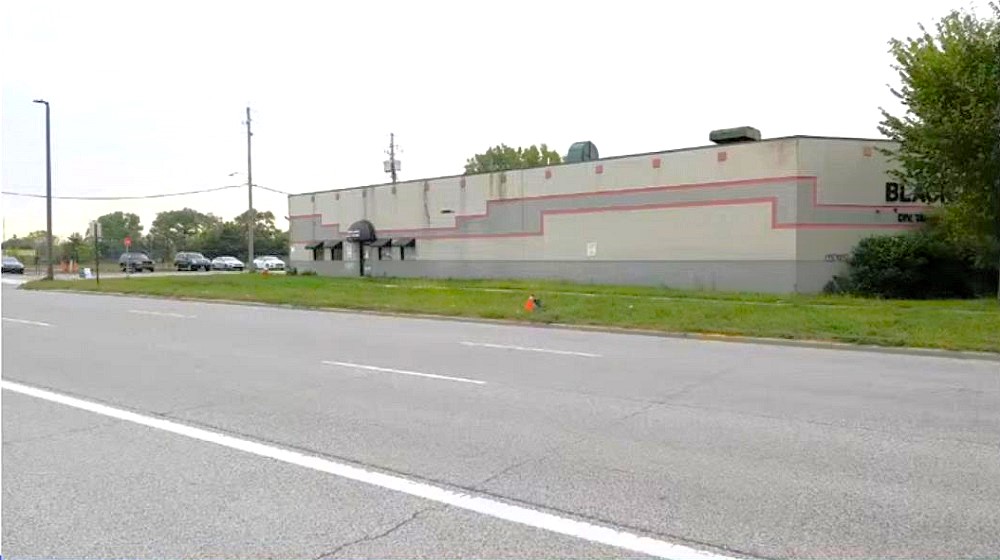
The Cleveland Black Oxide buildings are located just south of the Inner Belt/Interstate 90, where Ontario Street becomes Orange Avenue. But the property retains an historic address on Broadway Avenue (Cleveland Planning Commission).
CSG requested $19.9 million from the Ohio Sports and Cultural Facilities Fund which was created by the General Assembly last year with a fiscal year 2026 budget of $1 billion supported by $4.8 billion in unclaimed funds held by the state.
But disbursements from the fund are stalled by litigation contesting its constitutionality. The brownfield clean-up funding will help address some of the unfunded costs of developing the site.
“Cleaning it up gives us the missing link: a rapid station that ties the stadium, the planned Metroparks-led city park, and the regional trail network together,” Murphy added.
“Fans, families, and visitors can arrive by transit, walk to Progressive Field, Rocket Arena, and the stadium, and spend time in the neighborhood instead of passing through it,” he continued. “This grant is the first step that makes all of it possible, on game days and every day.”
The Midline project received $8,898,370 in funding to advance cleanup and redevelopment activities across four long-vacant industrial properties: TRW, Cleveland Machine Screw, Cooperative Stove, and Clarkwood Junkyard. These sites are between Cedar and Central avenues in the East 60s.
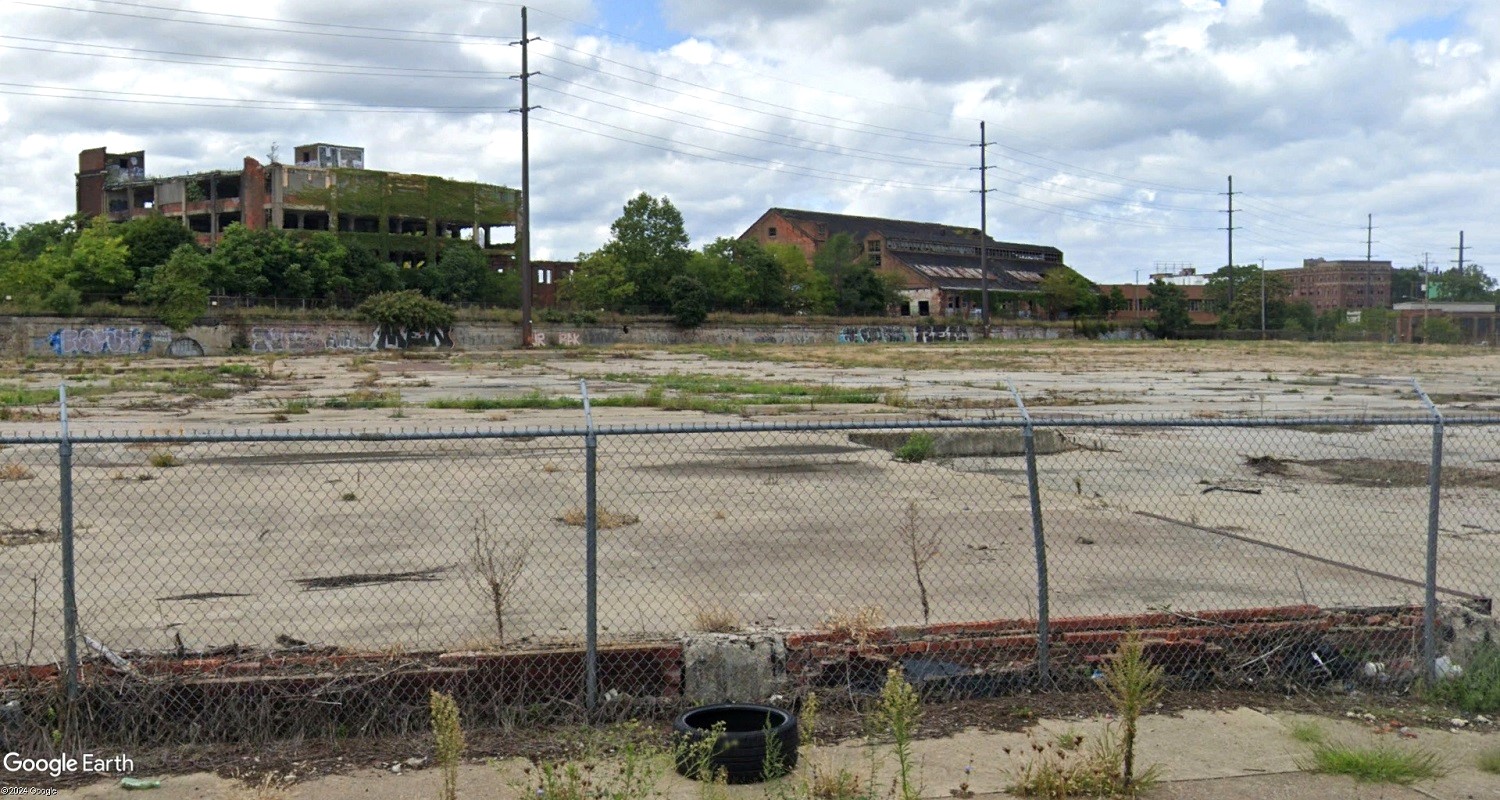
As seen along Clarkwood Road, between Cedar and Central avenues, the former TRW and Westinghouse sites remain dormant decades after these plants were closed. The properties are so polluted that no investor will touch them. Thus it falls on taxpayers to clean up these lands to make them productive again (Google).
Plans for the sites include new and rehabilitated industrial buildings targeted toward food manufacturing, pharmaceutical production, and other business uses, along with connections to the planned Midline Greenway Trail.
Collectively, the project is expected to attract approximately 375 jobs, including construction and permanent positions, while generating new tax revenue and expanding employment opportunities for local residents.
This work will be managed by the Site Readiness Fund. The project will include environmental remediation, demolition of blighted structures, removal of concrete and debris, environmental assessments, and site preparation for future redevelopment.
“The Ohio Department of Development has been an essential partner in the development of the Midline,” said Brad Whitehead, managing director of the Site Readiness Fund.
“We simply wouldn’t be where we are without their commitment and this grant dramatically accelerates the movement from vision to action that will result in good jobs and revitalized neighborhoods for Clevelanders,” he explained.
END